




You don’t have to navigate recovery from a brain injury alone. Traumatic injuries to the brain or spinal cord often require coordinated, long-term care to support recovery, rehabilitation and symptom management.
At Trinity Health Michigan, our neuroscience specialists provide expert brain injury care focused on accurate diagnosis, personalized treatment planning and ongoing recovery support. We help patients and families understand what to expect and connect them with the right care at every stage.
Brain Injury Care at Trinity Health Michigan: Why Choose Us?
Coordinated neuroscience care
Brain injuries often require support from multiple specialists. Our team works together to guide diagnosis, treatment, rehabilitation and long-term care.
Expert diagnosis and treatment planning
Our specialists evaluate symptoms, imaging results and recovery needs to build a care plan personalized to each patient.
Rehabilitation-focused recovery
We focus on helping patients improve function, manage symptoms and return to daily activities as safely as possible.
Long-term symptom management
Brain injury recovery can take time. Our team provides ongoing support for symptoms such as headaches, dizziness, memory changes, balance concerns, mood changes and fatigue.

Find the Right Expert for Your Brain Injury Care
Our team of experienced neurosurgeons provides advanced treatment and personalized support.
Find a NeurosurgeonUnderstanding Brain Injuries
A brain injury can happen when trauma affects the brain, spinal cord or nervous system. These injuries may result from falls, car accidents, sports injuries, workplace injuries or other serious trauma.
Symptoms can vary depending on the type and severity of injury. Some symptoms appear immediately, while others may develop over time.
Common symptoms may include:
- Headaches
- Dizziness or balance problems
- Confusion
- Memory or concentration issues
- Nausea
- Vision changes
- Sensitivity to light or sound
- Fatigue
- Mood or behavior changes
- Weakness, numbness or coordination problems
Because brain injuries can affect thinking, movement, emotions and daily function, medical evaluation and follow-up care are important.
Conditions We Treat
Trinity Health Michigan provides care for traumatic injuries affecting the brain and nervous system, including:
- Chronic Traumatic Encephalopathy, also known as CTE
- Post-concussive syndrome
- Sports-related concussion
- Traumatic brain injury
Treatment and Recovery
Your brain injury care plan depends on your diagnosis, symptoms, injury severity and recovery goals. Our team focuses on helping you heal, manage symptoms and regain function over time.
Comprehensive Evaluation
Your care may begin with a detailed evaluation to understand your symptoms, injury history and current challenges. This may include neurological exams, imaging review and additional testing when needed.
Symptom Management
Brain injury symptoms can affect daily life. Our specialists help manage symptoms such as headaches, dizziness, sleep changes, concentration problems, mood changes and fatigue.
Rehabilitation and Recovery Support
Recovery may include rehabilitation to improve strength, balance, coordination, speech, memory or daily function. Our team helps connect you with the right therapy and follow-up care.
Long-Term Brain Health
Some brain injuries require ongoing monitoring and care. We help patients and families understand recovery expectations, reduce future injury risk and manage long-term symptoms.
Frequently Asked Questions About Brain Injury
A traumatic brain injury happens when an outside force, such as a fall, collision or blow to the head, disrupts normal brain function.
Symptoms may include headaches, dizziness, confusion, memory problems, trouble concentrating, nausea, fatigue, mood changes, vision changes or balance problems.
You should seek medical care if you experience worsening headaches, confusion, vomiting, weakness, numbness, seizures, fainting, trouble speaking or symptoms that do not improve.
Yes. Some people develop post-concussive syndrome, where symptoms such as headaches, dizziness, fatigue or concentration problems last for weeks or months after the injury.
Treatment depends on the type and severity of injury. Care may include monitoring, medication, therapy, rehabilitation, symptom management and long-term follow-up.
Many people improve with proper diagnosis, treatment and rehabilitation. Recovery can take time and depends on the severity of the injury and each person’s overall health.
Brain Injury Care Locations
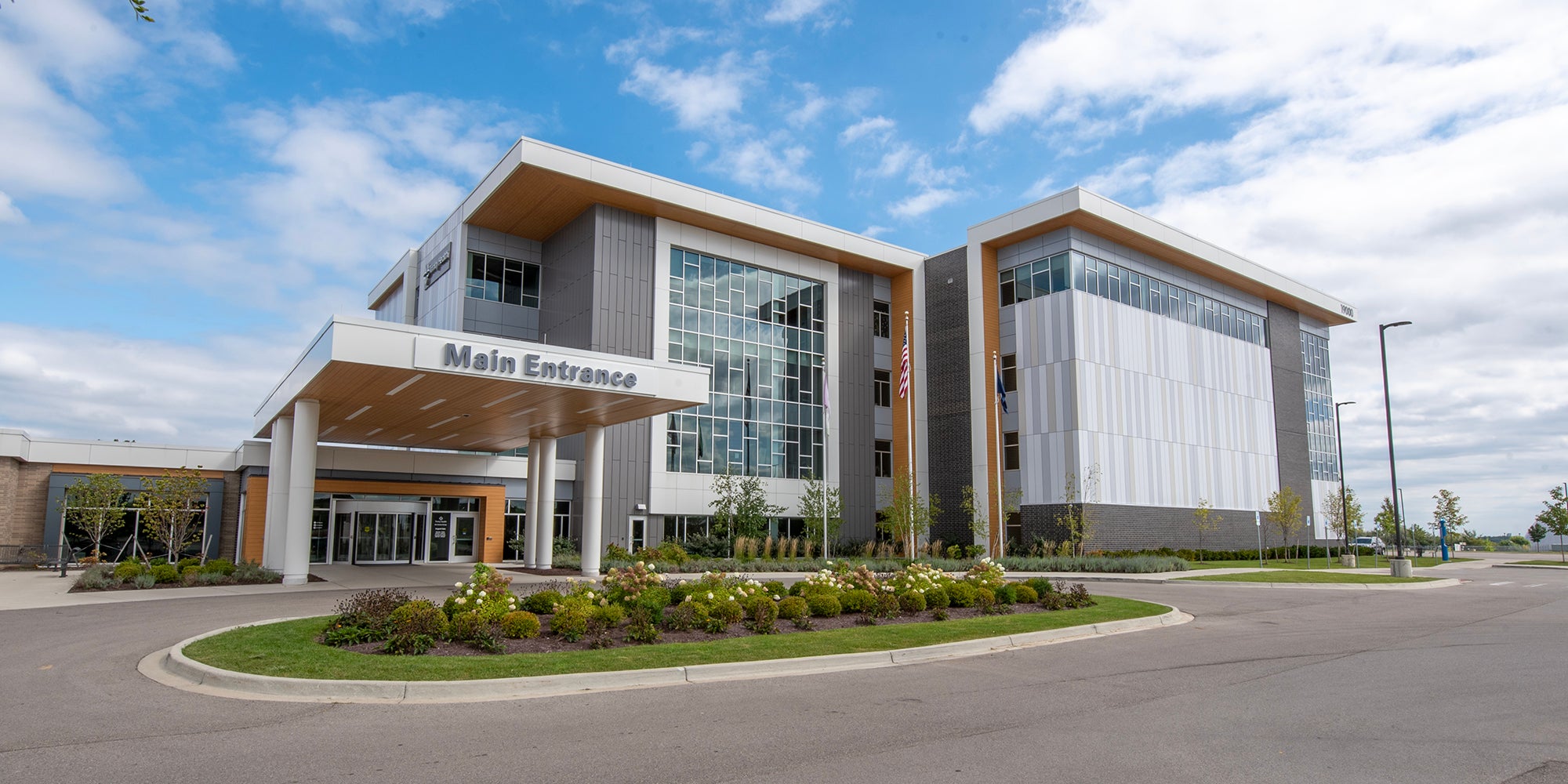
Trinity Health IHA Medical Group, Brain & Spine Surgery - Schoolcraft Campus
19000 St Joe's Pkwy Ste 460
Livonia, MI 48152
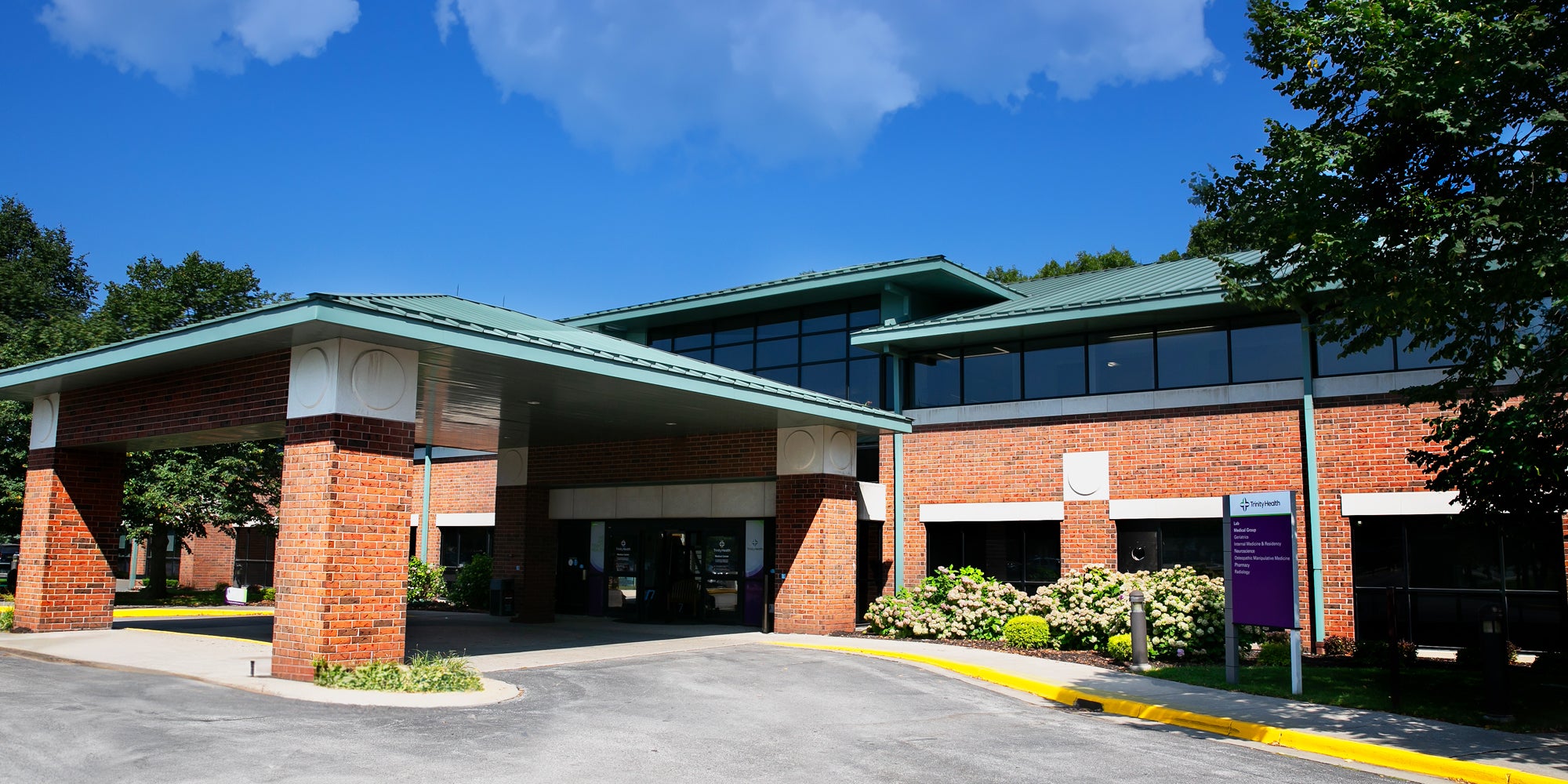
Trinity Health Medical Group, Neurosurgery - Medical Pavilion
1150 E Sherman Blvd Ste 2400
Muskegon, MI 49444
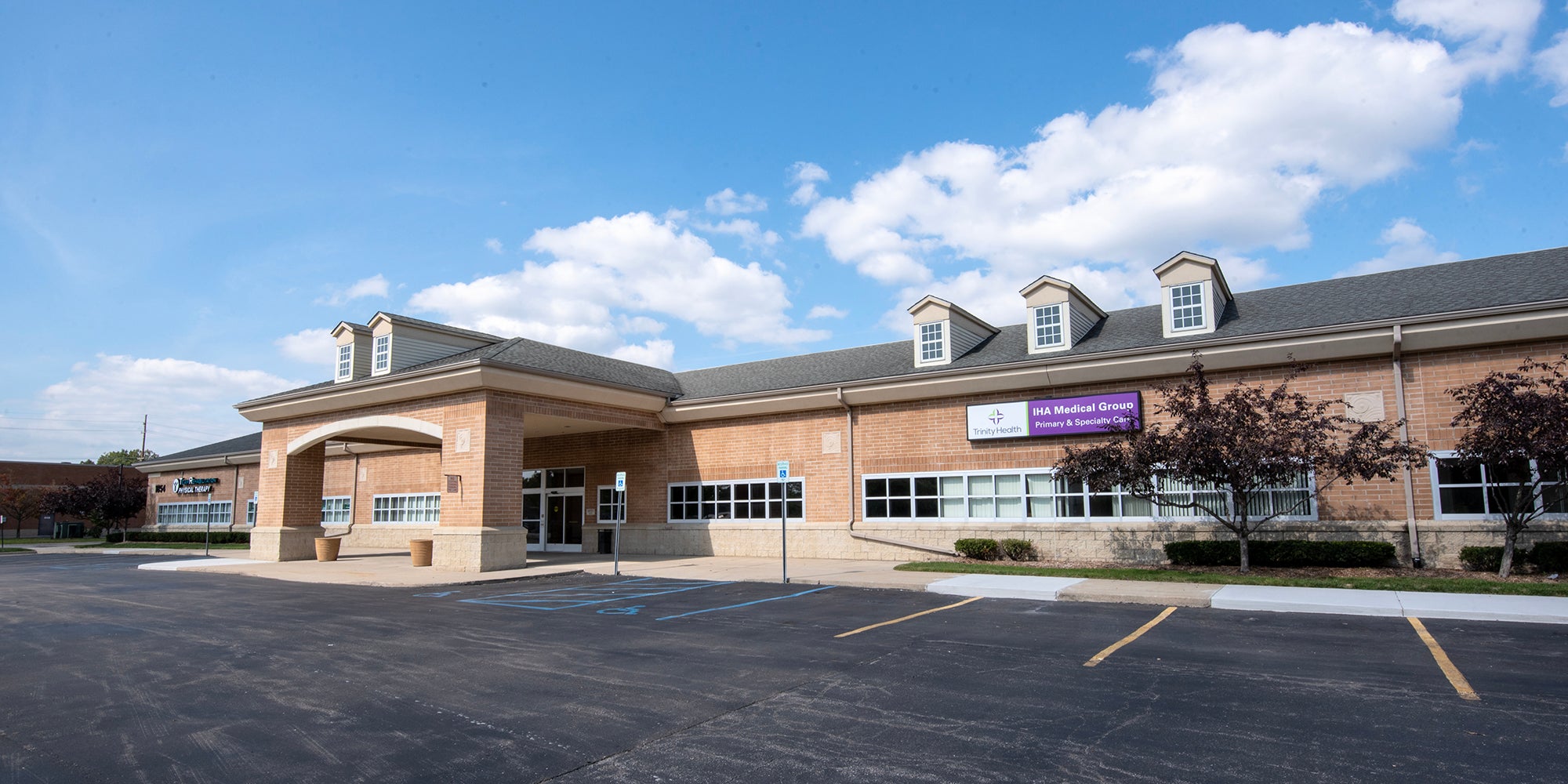
Trinity Health IHA Medical Group, Brain & Spine Surgery - Rochester Hills
1854 W Auburn Rd Ste 100A
Rochester Hills, MI 48309
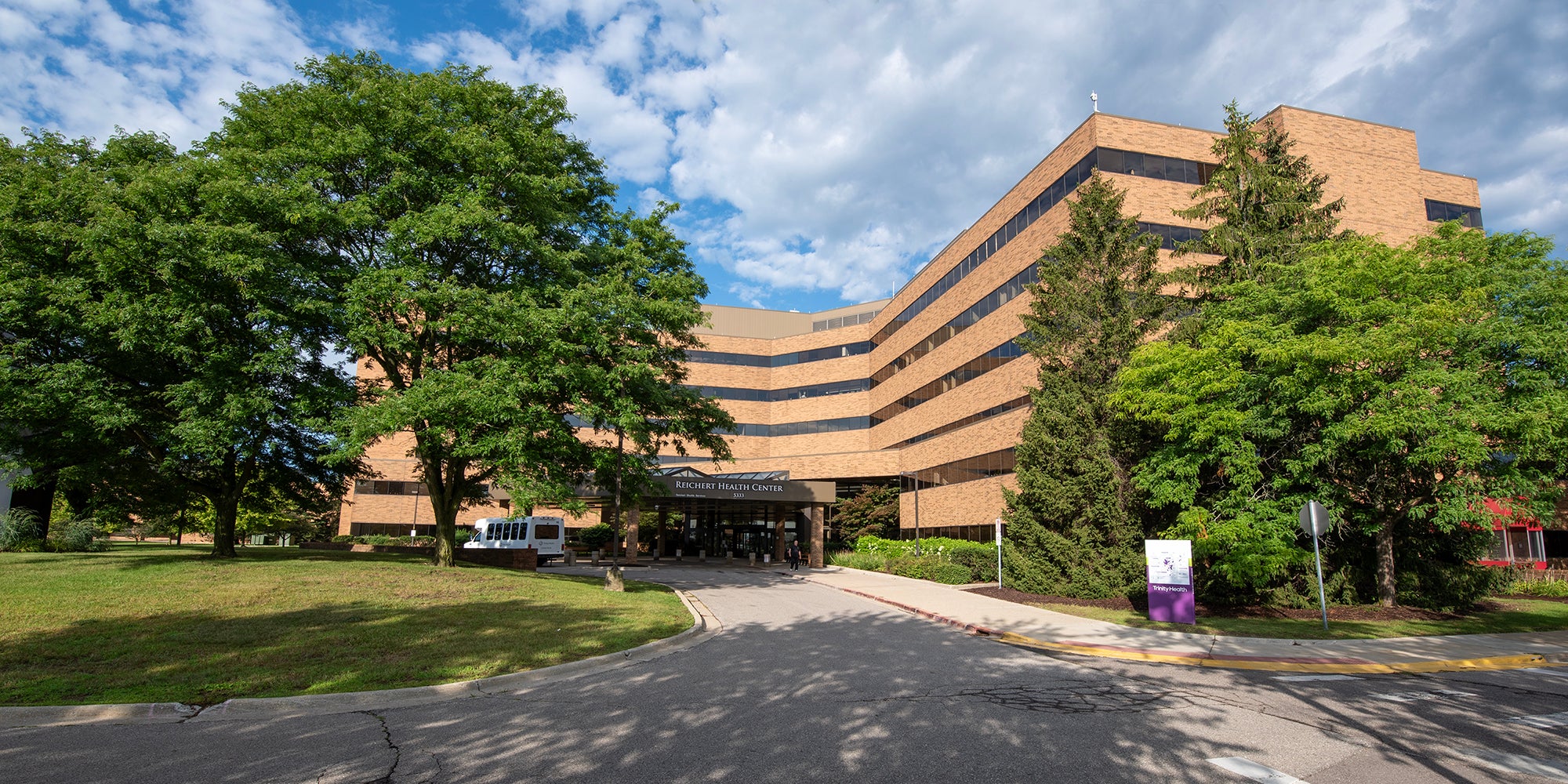
Trinity Health Spine Program - Ann Arbor
5333 McAuley Dr Ste. 1015
Ypsilanti, MI 48197
Brain Injury Care Providers
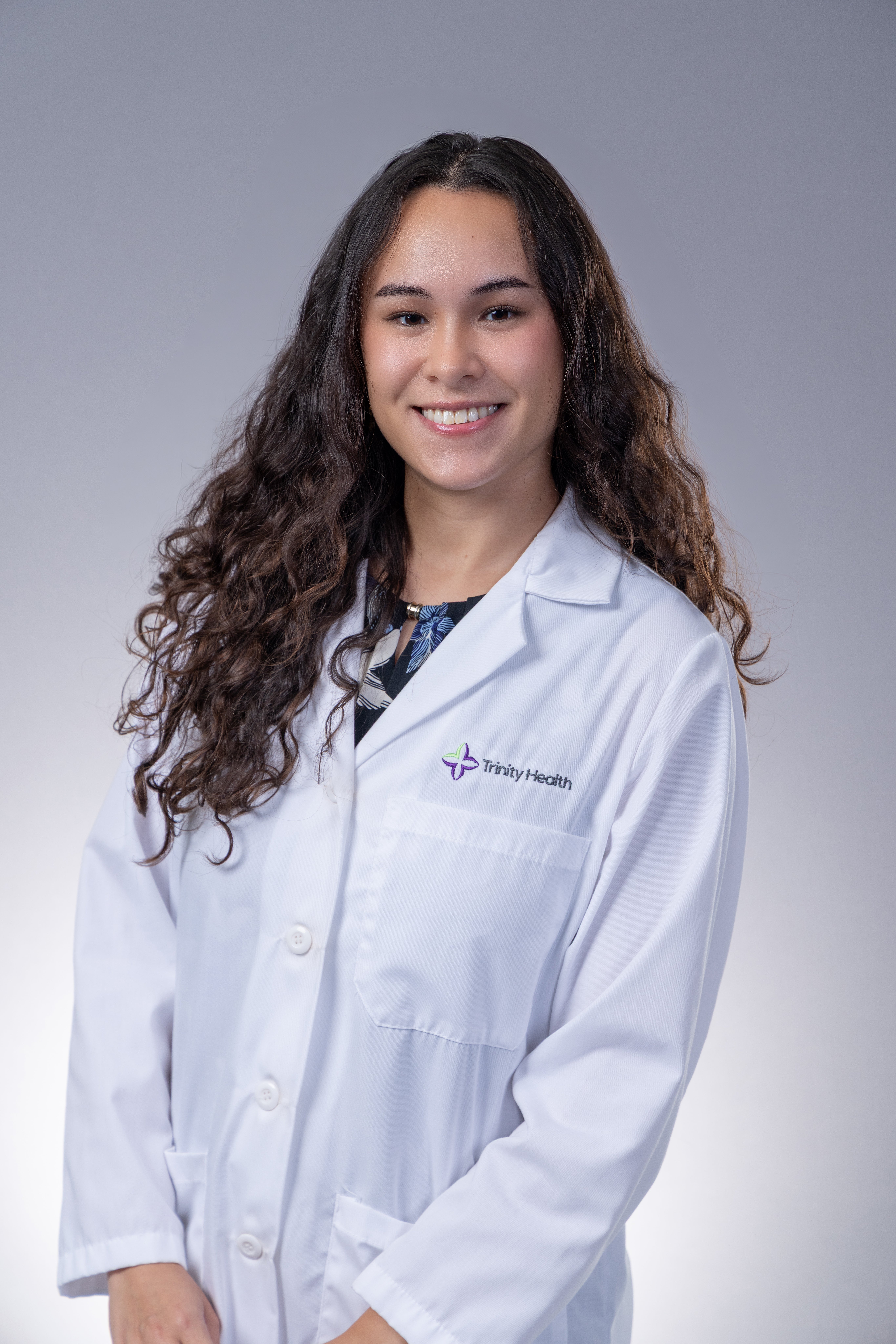
Rachel Opiela, PA
Neurosurgery +1 more
Accepting New Patients
Trinity Health IHA Medical Group
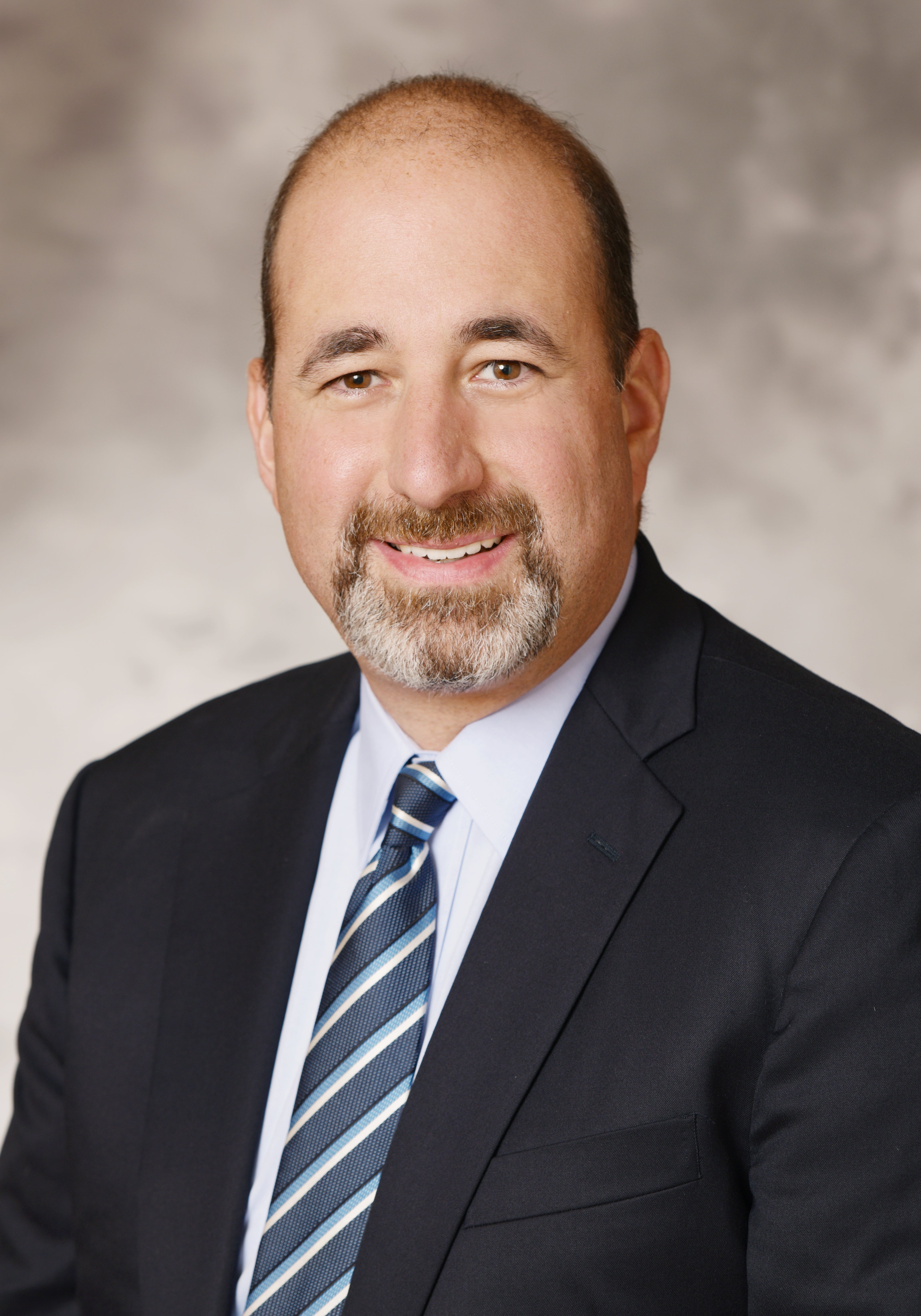
Todd Francis, MD
Neurosurgery
Accepting New Patients
Trinity Health IHA Medical Group
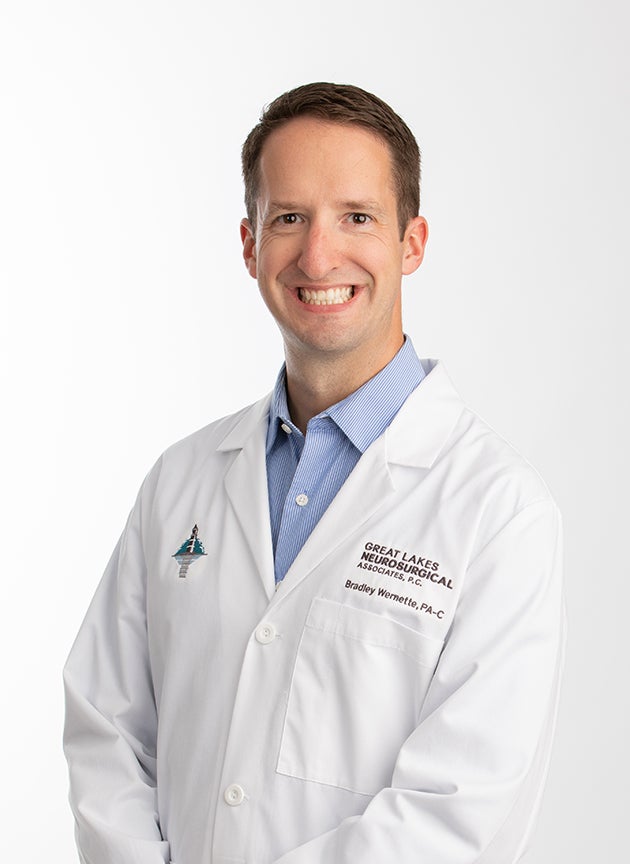
Bradley Wernette, PA-C
Neurosurgery +1 more
Accepting New Patients