MyChart
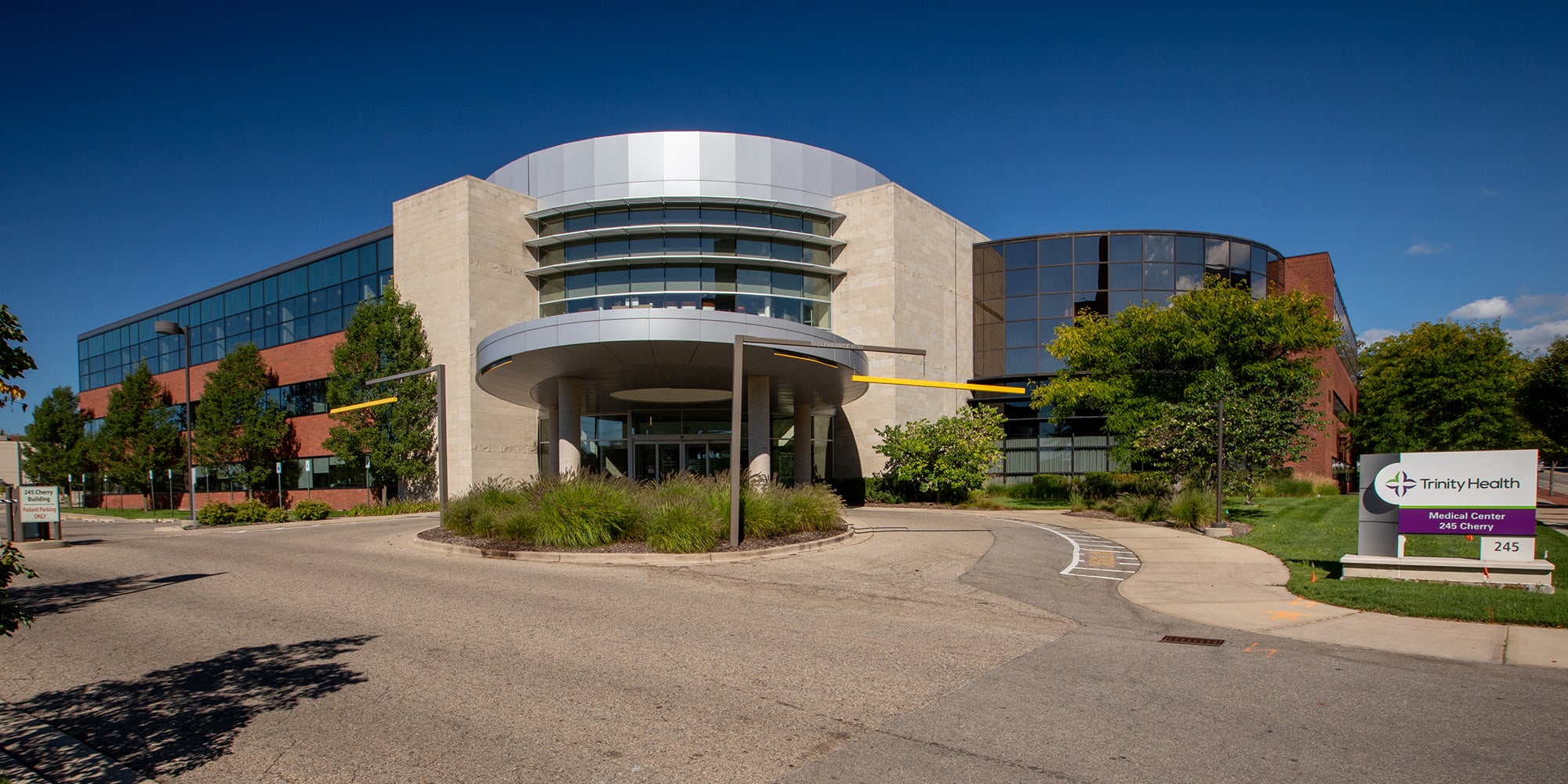
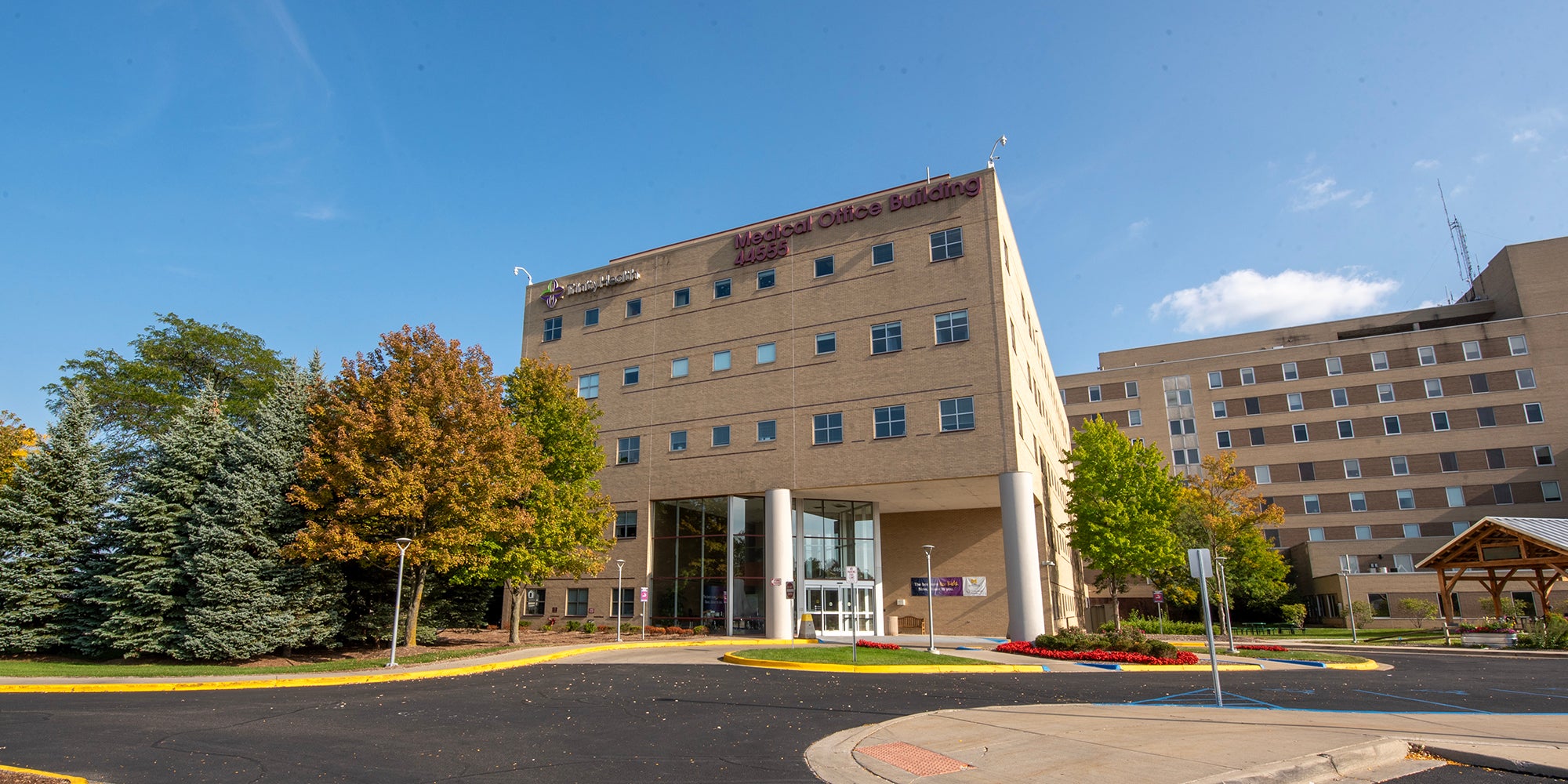
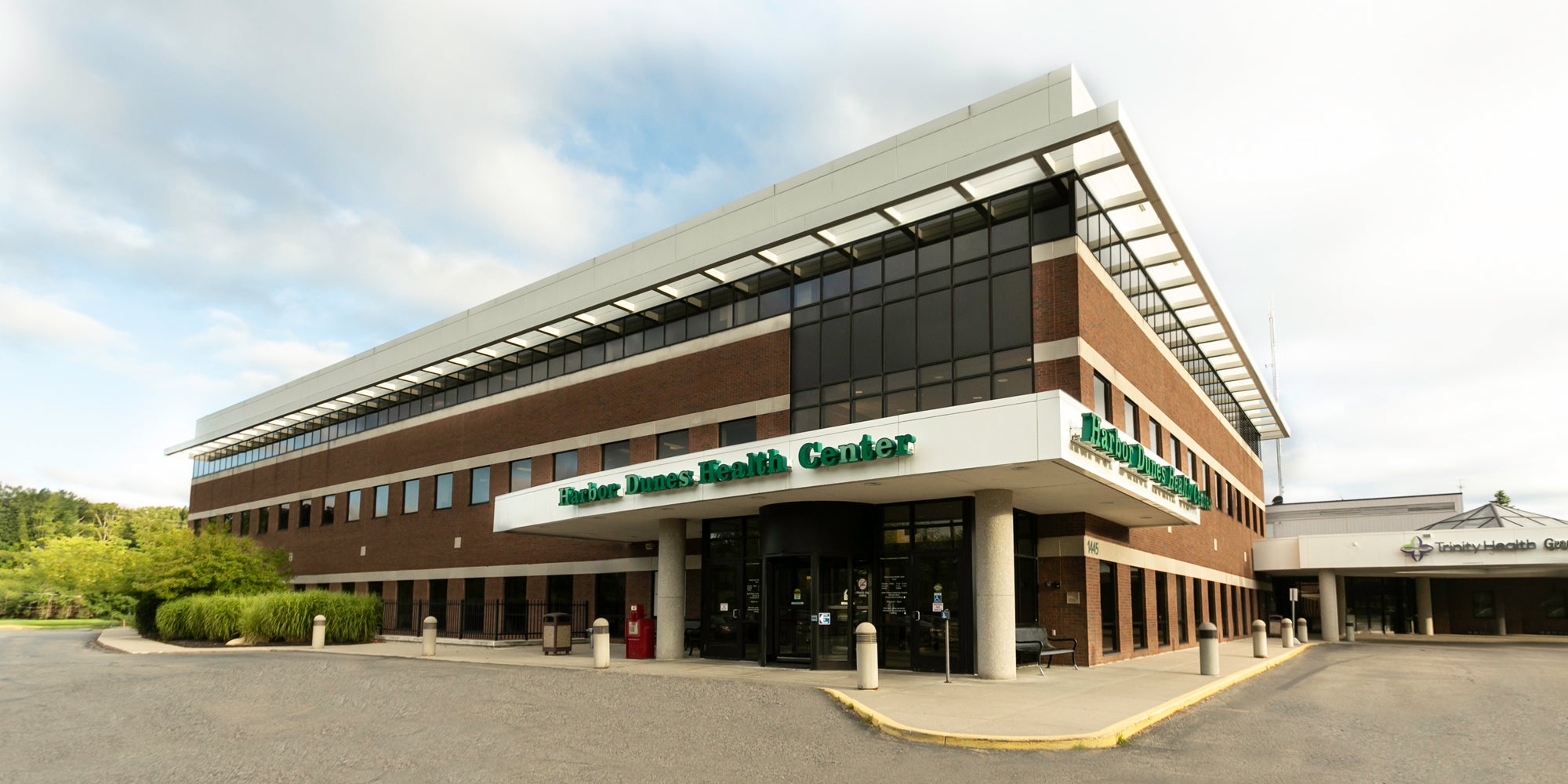
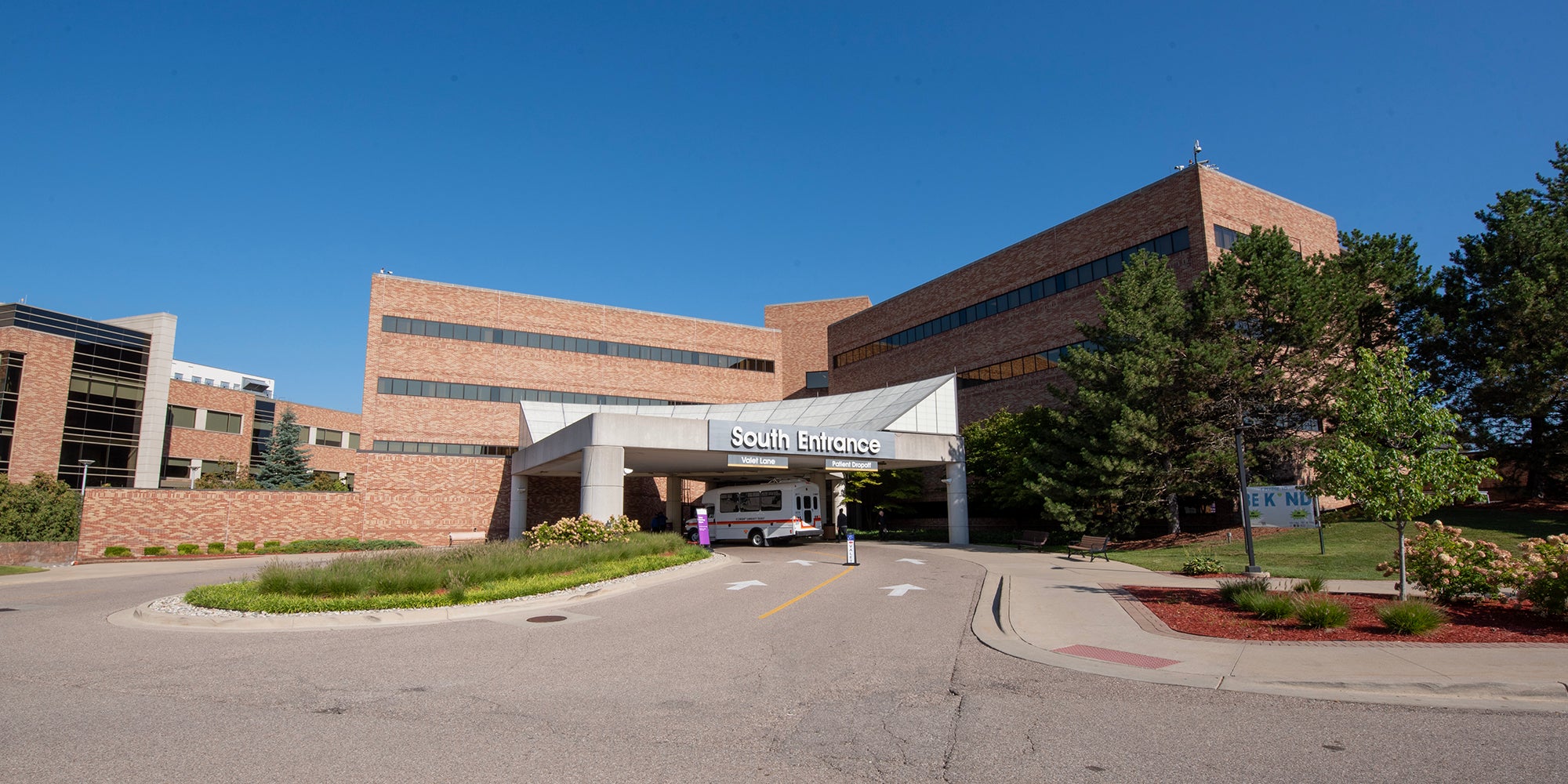
Our Care Sites
A provider helps rehabilitate an elderly woman's shoulder with a weight routine
Physical therapy services
Two teenage girls exercise at a Trinity Elite facility
Athletic development services
Our Care Sites
A provider helps rehabilitate an elderly woman's shoulder with a weight routine
Physical therapy services
Two teenage girls exercise at a Trinity Elite facility
Athletic development services

Placeholder content

At Trinity Health Michigan, our neuroscience services are designed to do more than treat symptoms, we help people reclaim their lives. Our neurologists and neurosurgeons deliver world-class care in the same trusted clinics and hospitals that have served Michigan communities for generations. At Trinity Health Michigan, we deliver comprehensive, cutting-edge neurological care for a wide range of conditions.

Our board-certified neurologists and specialized teams treat everything from everyday discomfort to complex disorders with precision and compassion. Whether you're battling chronic pain or facing a serious diagnosis, we’re here to help you reclaim your life.

Neuroscience Services at Trinity Health Michigan: Why Choose Us?

Our neuroscience program is built on decades of trusted care, cutting-edge innovation, and a relentless commitment to improving lives.

Nationally Recognized Expertise

We treat chronic, serious and life-threatening neurological conditions including epilepsy, muscular dystrophy, and stroke with precision and compassion. Our teams use research-backed therapies and uphold the highest clinical standards, earning us top honors and accreditations across the board.

Multidisciplinary, Team-Based Care

Our approach is collaborative and comprehensive. Neurologists, neurosurgeons, nurses, and therapists all work together to deliver seamless, personalized treatment plans for you.

  • Amyotrophic Lateral Sclerosis (ALS): A progressive neurodegenerative disease that damages motor neurons, leading to muscle weakness, difficulty moving, swallowing, and eventually breathing.
  • Alzheimer’s Disease: A degenerative brain disorder that causes memory loss, impaired thinking, and personality changes.
  • Arteriovenous Malformations (AVMs) of the Brain and Spine: Abnormal tangles of blood vessels that disrupt normal blood flow and can cause bleeding, seizures, or neurological symptoms.
  • Arthritis (Back and Joint Pain Related): Inflammation of joints that causes pain, stiffness, and reduced mobility; when involving the spine, it may cause back or neck pain.
  • Asthma: A chronic lung condition characterized by airway inflammation that leads to episodes of wheezing, coughing, and difficulty breathing.
  • Ataxia: A neurological condition that causes uncoordinated movement, balance problems, and difficulty with fine motor activities.
  • Back and Joint Pain: Pain caused by musculoskeletal strain, arthritis, nerve compression, or injury affecting the spine or joints.
  • Back and Spine Issues: A broad range of spinal problems such as disc herniation, nerve compression, arthritis, or structural abnormalities.
  • Behavioral Issues: Difficulties with emotional regulation or behavior that may have neurological or developmental causes.
  • Brain Aneurysm: A weakened, bulging blood vessel in the brain that may rupture and cause life-threatening bleeding.
  • Brain Tumors: Abnormal growths inside the brain that can be benign or malignant, affecting cognition, movement, or behavior.
  • Carotid Artery Disease: Narrowing of the carotid arteries in the neck, increasing the risk of stroke.
  • Cerebrovascular Tumor: A growth involving the blood vessels of the brain that may affect blood flow or cause bleeding.
  • Cervical Dystonia: A movement disorder that causes involuntary neck muscle contractions and abnormal head posture.
  • Charcot-Marie-Tooth Disease: A hereditary nerve disorder causing muscle weakness, balance problems, and foot deformities.
  • Chorea: A neurological condition causing rapid, involuntary, dance-like movements.
  • Chronic Ear Infections (Otitis Media): Ongoing inflammation of the middle ear leading to pain, fluid buildup, or hearing issues.
  • Circadian Rhythm Disorder: A disruption in the body’s internal sleep–wake cycle, causing difficulty sleeping at desired times.
  • Colic: In infants, frequent episodes of excessive crying often related to digestive or nervous system immaturity.
  • Constipation: Difficulty passing stool, sometimes related to nerve or muscle dysfunction.
  • Dementia: A decline in cognitive function, memory, and reasoning that interferes with daily life.
  • Dementia With Lewy Bodies: A type of dementia with movement symptoms, visual hallucinations, and fluctuations in thinking.
  • Developmental Delays: Slower-than-expected progress in learning, speech, movement, or social skills.
  • Dural Arteriovenous Fistula (AVF): An abnormal connection between arteries and veins in the brain’s protective covering (dura), potentially causing headaches or neurological symptoms.
  • Dystonia: A movement disorder with involuntary muscle contractions that cause twisting or abnormal postures.
  • Epilepsy: A neurological condition characterized by recurrent, unprovoked seizures.
  • Essential Tremor: A common movement disorder that causes rhythmic shaking, typically in the hands.
  • Feeding Difficulties: Trouble coordinating chewing, swallowing, or feeding, often associated with neurological or developmental issues.
  • Frontotemporal Dementia: A dementia that primarily affects behavior, personality, and language.
  • GERD (Gastroesophageal Reflux Disease): A digestive condition where stomach acid flows back into the esophagus, sometimes causing respiratory symptoms.
  • Headaches and Migraines: Pain caused by neurological, vascular, or muscle-related factors; migraines are often recurrent and severe.
  • Hemorrhagic Stroke: A stroke caused by bleeding into the brain.
  • Herniated Discs: Spinal discs that bulge or rupture, irritating nearby nerves.
  • Huntington’s Disease: A hereditary neurodegenerative condition causing movement problems, psychiatric symptoms, and cognitive decline.
  • Insomnia: Difficulty falling or staying asleep.
  • Ischemic Stroke: A stroke caused by a blocked artery reducing blood flow to the brain.
  • Intracranial Atherosclerotic Disease: Narrowing of brain arteries due to plaque buildup, which increases stroke risk.
  • Low Back Pain: Pain in the lower spine caused by muscle strain, disc problems, arthritis, or nerve issues.
  • Mild Cognitive Impairment: Noticeable memory or thinking problems that are not severe enough to be classified as dementia.
  • Multiple Sclerosis (MS): An autoimmune disease that damages the protective covering of nerves, causing episodes of neurological symptoms.
  • Multiple System Atrophy: A progressive neurological disorder causing Parkinson-like symptoms along with severe autonomic dysfunction.
  • Myasthenia Gravis: An autoimmune condition that causes muscle weakness that worsens with activity.
  • Myoclonus: Sudden, involuntary muscle jerks.
  • Muscular Dystrophies: Genetic disorders that cause progressive muscle weakness and degeneration.
  • Myopathies: Muscle diseases that cause weakness due to abnormalities in muscle fibers.
  • Narcolepsy: A sleep disorder that causes excessive daytime sleepiness and sudden sleep episodes.
  • Neuro-Ophthalmology Conditions: Neurological disorders that affect vision, eye movement, or the optic nerve.
  • Night Terrors: Episodes of intense fear or screaming during deep sleep, typically in children.
  • Obstructive Sleep Apnea: A sleep disorder where breathing repeatedly stops due to airway obstruction.
  • Parkinson’s Disease: A progressive neurological disorder affecting movement, causing tremors, stiffness, and slowness.
  • Periodic Limb Movement Disorder: Repetitive limb movements during sleep that disrupt rest.
  • Plagiocephaly (Flat Head Syndrome): Flattening of a portion of a baby’s head due to prolonged pressure.
  • Post-Concussive Syndrome: Symptoms such as headaches, dizziness, and difficulty concentrating following a concussion.
  • Progressive Supranuclear Palsy: A neurological condition affecting movement, balance, and eye movements.
  • Osteoporosis: A bone condition causing brittleness and increased fracture risk, including spinal fractures.
  • Pinched Nerves: Compression of nerves that causes pain, numbness, or weakness.
  • Restless Leg Syndrome: An uncomfortable urge to move the legs, especially at night.
  • Rett Syndrome: A genetic neurological disorder in girls that affects motor control and development.
  • Scoliosis: A sideways curvature of the spine.
  • Sleep-Related Hypoventilation: Shallow breathing during sleep that leads to low oxygen levels.
  • Sleepwalking: Walking or performing activities while not fully awake.
  • Snoring: A sound caused by vibration of tissues in the airway due to partial obstruction during sleep.
  • Spinal Cord Tumors: Abnormal growths in or around the spinal cord that affect movement or nerve function.
  • Spinal Muscular Atrophy: A genetic disease causing progressive muscle weakness due to motor neuron loss.
  • Spinal Vascular Malformations: Abnormal blood vessels in the spinal cord that can lead to bleeding or neurological symptoms.
  • Spine Fractures: Breaks in spinal bones, often due to trauma or osteoporosis.
  • Spinal Stenosis: Narrowing of the spinal canal that places pressure on spinal nerves.
  • Spine Tumors: Tumors affecting the spinal column or nearby tissues.
  • Sports-Related Concussion: A brain injury from sports-related impact causing temporary neurological symptoms.
  • Stroke (General): A sudden loss of brain function caused by a blockage or bleeding in the brain.
  • Tardive Dyskinesia: Involuntary repetitive movements caused by long-term use of certain medications.
  • Torticollis (Wry Neck): Tightening or spasm of neck muscles causing the head to tilt or rotate abnormally.
  • Tourette Syndrome: A neurological condition involving repetitive, involuntary movements or vocal sounds called tics.
  • Traumatic Brain Injury: Brain dysfunction caused by a blow, jolt, or penetrating injury.
  • Traumatic Spinal Cord Injury: Damage to the spinal cord resulting in loss of movement or sensation.
  • Upper Respiratory Infections: Infections of the nose, throat, or sinuses.
  • Vascular Dementia: Cognitive decline caused by reduced blood flow to the brain or stroke.
  • Vertebral Compression Fracture: Collapse of a spinal vertebra, often caused by osteoporosis.

Neuroscience Programs at Trinity Health Michigan

Trinity Health Michigan provides comprehensive, evidence‑based care for conditions affecting the brain, spine and nervous system. Our fellowship‑trained neurologists, neurosurgeons and rehabilitation specialists deliver advanced diagnostics, innovative treatments and personalized support for every stage of care.
Explore our neuroscience programs below.

Back & Spine Care

Our back and spine specialists diagnose and treat complex spine conditions using nonsurgical therapies and nationally recognized surgical expertise. We focus on lasting pain relief, improved mobility and minimally invasive treatment options whenever possible. Get more information about back and spine care.

Epilepsy Care

Our accredited epilepsy program offers advanced diagnostics and treatment plans for adults with simple to complex seizure disorders. We provide medication management, EEG monitoring, and access to the latest therapies to help patients achieve long‑term seizure control. Learn more about epilepsy care.

Headache & Migraine Treatment

We diagnose and treat chronic headaches, migraines, tension headaches and facial pain. Treatment options include same‑day infusions, Botox® therapy, physical therapy and massage—helping patients find fast and lasting relief. Read more about how we diagnose and treat headaches.

Interventional Physical Medicine & Spine

Our interventional spine specialists use targeted injections and image‑guided procedures to identify and treat the source of chronic pain. The goal is to reduce discomfort, restore mobility and improve overall quality of life. Explore our interventional physical medicine & spine program today.

Memory Disorders Program

As one of Michigan’s earliest memory disorder programs, we offer compassionate evaluation and care for memory loss, dementia and cognitive decline. Our family‑centered approach supports both patients and caregivers every step of the way. Find out more about our services for memory disorders.

Movement Disorders Treatment

Our experts provide comprehensive care for Parkinson’s disease, essential tremor, dystonia, tics and related neurological movement conditions. We offer advanced diagnostics, medication management, therapy services and long‑term support from a multidisciplinary team. Get more information about movement disorders.

Multiple Sclerosis (MS) Care

Nationally recognized MS specialists provide thorough evaluations and customized treatment plans. We offer disease‑modifying therapies, symptom management and ongoing support to help patients maintain their highest quality of life. Learn more about our multiple sclerosis program.

Neuro-Ophthalmology Services

We provide specialized evaluation and treatment for neurological conditions that affect vision, combining the expertise of both neurology and ophthalmology to accurately diagnose and manage complex visual symptoms. Find out more about neuro-ophthalmology.

Neuro-Palliative Care

Our neuro‑palliative care team supports patients with long‑term or life‑altering neurological conditions by focusing on symptom relief, advanced care planning and improving daily comfort for both patients and families. Learn more about neuro-palliative care.

Neurointerventional Radiology

Using minimally invasive, image‑guided procedures, our neurointerventional specialists diagnose and treat stroke and other cerebrovascular diseases. Our collaborative team delivers rapid, advanced care designed to improve outcomes. Explore our neurointerventional radiology program today.

Neuromuscular Disorders Care

We treat conditions such as ALS, muscular dystrophy and other nerve‑muscle disorders using evidence‑based therapies and a team‑based approach that supports strength, mobility and independence. Read more about how we treat neuromuscular disorders.

Neuropsychology Services

Our neuropsychologists provide comprehensive cognitive and psychological assessments for adults and older adults. These evaluations support accurate diagnoses and help guide effective treatment planning. Read more about the neuropsychology program.

Neurorehabilitation

We offer specialized rehabilitation services—including occupational therapy, physical therapy and speech therapy—to help patients recover function, build strength, improve communication skills and regain independence. Discover more about neurorehabilitation today.

Osteopathic Manipulative Medicine

Our osteopathic physicians use gentle, hands‑on techniques to relieve pain, improve circulation, support whole‑body health and restore physical function. Treatment is safe for individuals of all ages, including infants. Discover more about osteopathic manipulative medicine today.

Sleep Disorders Care

Accredited sleep services help diagnose and treat conditions such as sleep apnea, insomnia, restless legs syndrome and other sleep disorders. Our specialists develop personalized treatment plans to promote safe, restorative sleep. Find out more about sleep disorder services.

Stroke & Cerebrovascular Disease

We offer 24/7 emergency stroke care with nationally recognized specialists trained in advanced, minimally invasive procedures. From rapid diagnosis to rehabilitation, our team supports patients through every step of recovery. Explore stroke and cerebrovascular care.

Neuroscience Support Services

We go beyond clinical care to support your whole health. From friendly faces at every appointment to specialized services that help you navigate challenges and plan for the future, we’re here for you every step of the way. Read more about our support services.

Provider Ratings

The following ratings and reviews are based on verified feedback collected from independently administered patient experience surveys. The ratings and comments submitted by patients reflect their own views and opinions. Patient identities are withheld to ensure confidentiality and privacy. Learn more about provider ratings.


Loading ...


Loading ...


Find a Neurology Provider

Our team includes board-certified neurologists with advanced training in a range of neurological services.

Find a Neuroscience Location Near You

Robotic-assisted bariatric surgery is available at several Trinity Health Michigan hospitals. Find expert care close to home:

Related Services