MyChart
Our Care Sites
A provider helps rehabilitate an elderly woman's shoulder with a weight routine
Physical therapy services
Two teenage girls exercise at a Trinity Elite facility
Athletic development services
Our Care Sites
A provider helps rehabilitate an elderly woman's shoulder with a weight routine
Physical therapy services
Two teenage girls exercise at a Trinity Elite facility
Athletic development services

Cardiovascular Tabs

Loading ...

See more ratings.

An older daughter and her mother wander through a park together

Trinity Health Michigan provides exceptional heart and vascular care, treating a high volume of common and complex conditions while maintaining excellent outcomes.

Cardiovascular Care at Trinity Health Michigan: Why Choose Us?

  • National recognition: Our cardiovascular team holds itself to the highest care standards. Some of our locations have been named among the nation’s top cardiovascular programs for several years running. We also hold prestigious recognition from the Intersocietal Accreditation Commission for lab testing.
     
  • Expertise: Our team includes highly skilled heart and vascular specialists. Many of our experts completed additional training through fellowships. All our physicians deliver personalized care and give you the individual attention you deserve.
     
  • Research: Trinity Health Michigan is advancing cardiovascular care through research and clinical trials. For eligible patients, these efforts give you access to new heart and vascular therapies years before they become widely available. Explore cardiovascular disease research and leadership.
     
  • CVN logo Collaboration: Our experts use sophisticated techniques, including laparoscopic and robotic surgery, to carry out procedures through small incisions. Tiny instruments and advanced technologies help us deliver precise care that leads to a faster recovery. Learn more about the Cardiovascular Network of West Michigan.

Cardiovascular Conditions We Treat

  • Aortic Aneurysm: Aortic aneurysms occur when the largest artery in the body, the aorta, enlarges.
  • Aortic Valve Disease: The aortic valve is one of four valves which must open and close with each heart beat to keep blood moving in one direction through the heart. The aortic valve can malfunction in two ways.
  • Atrial Fibrillation: AFib is the most common type of heart arrhythmia (irregular heartbeat). AFib occurs when the heart’s upper chambers beat out of sync with the lower chambers.
  • Atrial Septal Defect: Atrial Septal Defect (ASD) is a deficiency of tissue or hole in the part of the septum that separates the atria.
  • Cardiomyopathy: Cardiomyopathy is a term that refers to a variety of diseases of the heart muscle ranging in signs, symptoms and treatments.
  • Congestive Heart Failure: Heart failure is also called "congestive heart failure" and is a condition in which your heart is pumping blood throughout your body inefficiently due to damage by a cardiovascular disease.
  • Coronary Artery Disease: Coronary Artery Disease (CAD) occurs when fatty deposits (plaques) build up inside the walls of the arteries that carry blood into the heart.
  • Heart Attack: A heart attack occurs when oxygen-rich blood is restricted or completely blocked from flowing to your heart through the coronary arteries, leaving your heart muscle damaged.
  • Heart Failure: Heart failure is also called "congestive heart failure" and is a condition in which your heart is pumping blood throughout your body inefficiently due to damage by a cardiovascular disease.
  • High Blood Pressure: If left untreated, high blood pressure can lead to heart attack, heart failure, stroke, blindness or kidney failure.
  • Patent Foramen Ovale: Occurs when the flap-like openings of the heart do not close. This intermittent communication can allow blood to pass from the right atria to the left atria.
  • Peripheral Artery Disease: The buildup of plaque in the peripheral arteries leading to the stomach, head, arms and most commonly the legs.
  • Renal Artery Disease: Reduced blood flow to the kidney can result in high blood pressure and kidney failure if left untreated.
  • Structural Heart Disease: Problems with the structure of the heart and valves can be congenital (present at birth) or they can develop over time. Some people are born with holes in their heart or abnormal valves.
  • Thoracic Outlet Syndrome: A mechanical problem with compression of vital structures at the juncture between the collarbone and first rib. Compression of blood vessels can cause injury and result in blood clots.
  • Varicose Veins: Varicose veins are bulging veins under the skin usually located in the legs. Spider veins are a subset of varicose veins that are smaller and form within the skin.
  • Vascular Disease: Vascular disease refers to any abnormality of the blood vessels — the arteries and veins that carry blood throughout the body.
  • Venous Insufficiency: A condition that makes it difficult for the veins in your legs to return blood to the heart. This condition can be caused by weakness in the vein walls or valves in your veins that don't function properly.

Cardiovascular Programs & Clinics

Anticoagulation (Blood Thinner) Clinic

Our Anticoagulation (Blood Thinner) Clinic supports people with conditions such as arrhythmias and deep vein thrombosis (DVT) who require long-term blood thinner therapy.

Our experienced care team—including pharmacists and cardiovascular specialists— closely monitors your treatment to ensure safety and effectiveness by:

  • Performing regular blood tests to ensure blood clotting levels are within a healthy range
  • Evaluating side effects such as abdominal pain or excessive bleeding and how they affect daily life
  • Adjusting blood thinner medications or dosages as your health needs change

Learn more about Anticoagulation Clinics at Trinity Health Michigan.

Congestive Heart Failure Clinic

Congestive heart failure is a serious condition in which the heart can no longer meet the body’s oxygen needs. Symptoms may include fatigue, shortness of breath, and flare-ups that require urgent medical attention.

The Congestive Heart Failure Clinic at Trinity Health Michigan helps you feel better and reduces time spent in the hospital.

Our team of heart care experts provides ongoing management to help prevent flare-ups. We empower you with education, confidence, and personalized support to manage your condition. When hospital care is needed, we coordinate services so you can focus on recovery and well-being.

Get more information about the Congestive Heart Failure Clinic.

Device Clinic

If you have an implantable arrhythmia device, continuous heart monitoring doesn’t have to involve frequent clinic visits. Our advanced monitoring technology securely sends heart rhythm data directly to our care team.

If concerning heart activity is detected, we contact you promptly to ensure timely care. You also attend scheduled visits with specialized nurses in our Device Clinic, regardless of symptoms. During these visits, we review your arrhythmia history and adjust treatment plans, including device settings or medications, as needed.

Read more about we diagnose and treat arrhythmia.

Prevention and Wellness Services

Trinity Health Michigan offers comprehensive cardiovascular prevention and wellness services designed to support long-term heart health and peace of mind.

Services include heart disease education classes, informational sessions, support groups, and affordable health screenings that help detect heart and vascular conditions—such as high cholesterol—before symptoms appear.

Additional services include nutrition counseling, personalized wellness plans, and support for lifestyle changes through education topics such as smoking cessation.

Learn about how prevention and wellness can aid you with your cardiovascular health.

Cardiac Rehabilitation

Cardiac rehabilitation helps restore strength and quality of life after certain heart procedures or hospitalizations. Our medically supervised rehab programs combine exercise, education, and long-term lifestyle support to promote lasting heart health.

Each rehabilitation plan is personalized to your recovery goals and overall health needs.

Program options may include:

  • Traditional cardiac rehabilitation: 36 supervised exercise sessions
  • Pritikin Intensive Cardiac Rehabilitation (ICR): 36 exercise sessions plus 36 education sessions focused on nutrition, wellness, and heart-healthy living. Trinity Health Michigan was the first program in Michigan to adopt the Pritikin ICR model.

Explore our Cardiac Rehabilitation program today.

Cardiopulmonary Rehabilitation

Cardiopulmonary rehabilitation is designed for people with advanced heart and lung conditions. You may benefit from this program if asthma, emphysema, or chronic obstructive pulmonary disease (COPD) interferes with daily activities.

Our skilled respiratory therapists guide you through customized exercises that improve breathing and endurance. Your rehabilitation plan is carefully tailored to ensure safety and effectiveness and includes education on lung disease management and support for developing healthier habits.

Get more information about Cardiopulmonary Rehabilitation.

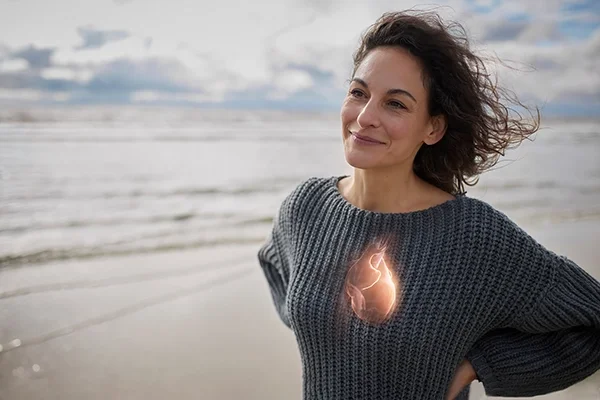
A woman stands on a windy beach with her hands on her hips. There is a graphic of a heart laying over where her heart would be on her chest.

Connect with Care Now

Select your region to connect with our heart care experts. We look forward to caring for you.

*If you think you may be experiencing a heart attack or medical emergency – call 911.
 

Cardiovascular Locations

Cardiovascular Providers

All Provider Ratings


Loading ...


Loading ...


Related Services