



Robotic-Assisted Epilepsy Surgery
Smaller Incisions, Fewer Complications

If you are living with drug-resistant epilepsy, surgery may offer a path to better seizure control and improved quality of life. At Trinity Health Michigan, we use surgical robots to perform minimally invasive epilepsy procedures with exceptional precision and care. This advanced technology allows our neurosurgeons to target seizure activity deep within the brain—often with smaller incisions, fewer complications and faster recovery.
More Precision. Less Incision.
Traditional brain surgery often requires a craniotomy—a large opening in the skull. In contrast, robotic-assisted epilepsy surgery uses a few small incisions and real-time 3D imaging to guide tiny electrodes into the brain. This allows our surgeons to pinpoint the exact origin of seizures with high accuracy, while protecting healthy brain tissue. Think of this technology as a GPS for the brain—helping our team navigate complex structures safely and efficiently. The result is a less invasive procedure that reduces the risk of complications and supports a smoother recovery.
Conditions Treated
- Drug-Resistant Epilepsy (Focal Seizures)
- Temporal Lobe Epilepsy
- Cortical Dysplasia
- Tuberous Sclerosis
- Epileptic lesions (such as tumors or malformations)
Procedures Performed
- SEEG (Stereo-Electroencephalography)
- Laser ablation (Laser Interstitial Thermal Therapy – LITT)
- Resective epilepsy surgery
- Biopsy of epileptic lesions
Find a Robotic-Assisted Neurosurgeon
Our board-certified neurosurgeons specialize in robotic-assisted epilepsy surgery.

Jurgen Luders, MD
Neurosurgery
Accepting New Patients
Trinity Health Medical Group
Find a Hospital Near You
Robotic-assisted epilepsy surgery is available at select Trinity Health Michigan locations.
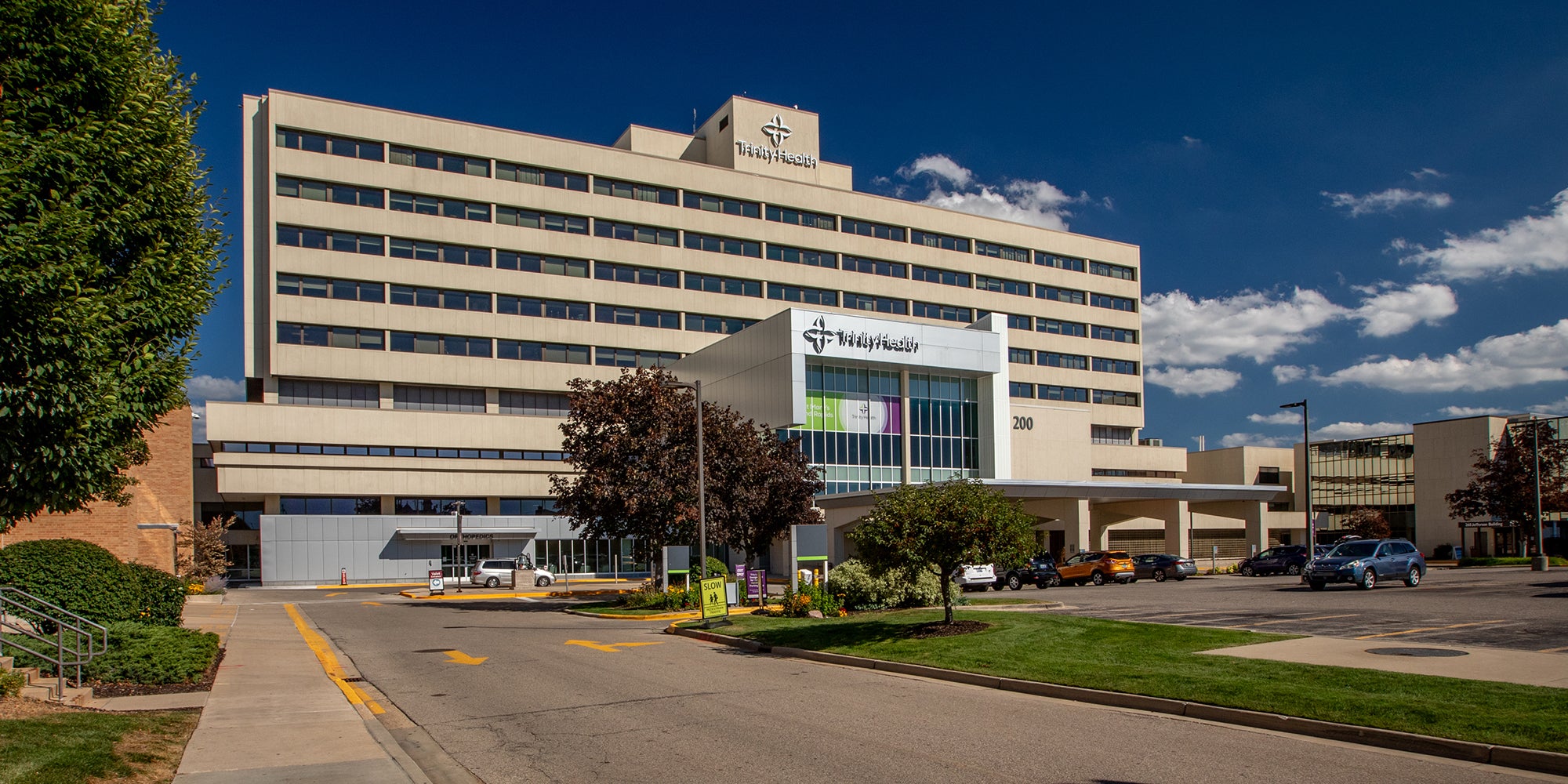
Trinity Health Grand Rapids Hospital
200 Jefferson Ave SE
Grand Rapids, MI 49503