



Interventional Radiology
Vascular Interventional Radiology in Michigan
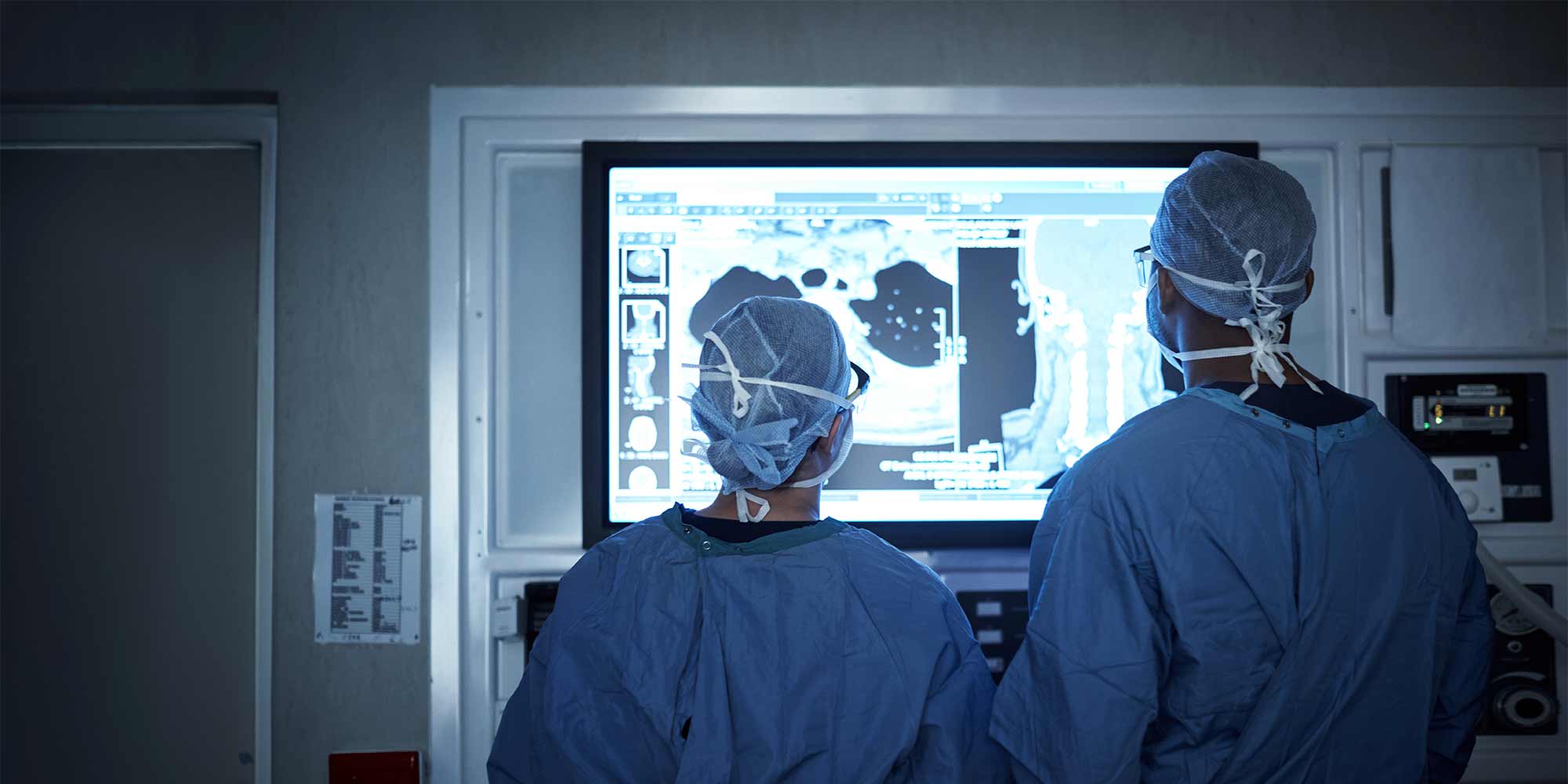
Vascular Interventional radiology (VIR) is a minimally invasive, image-guided approach to treating conditions that once required open surgery. With advanced imaging technology, including ultrasound, X-ray, CT and MRI, our specialists treat complex conditions from the inside out with precision and safety that mean faster recovery times.
With incisions as small as a pinhole, our board-certified interventional radiologists offer safe, highly-effective outpatient alternatives to surgery. This results in less pain and lower risk.

Find a Doctor Near You
Find an Interventional Radiology specialist near you. Our expert physicians provide minimally invasive, image-guided treatments for a wide range of conditions.
Please note: A provider referral is required before scheduling an Interventional Radiology consultation or procedure.
Find a DoctorOur Locations
Vascular interventional radiology services are offered at Trinity Health Michigan sites across the state, providing expert care close to home with convenient access to appointments and procedures. Patients can speak with their primary care provider about a referral to one of our interventional radiology specialists.
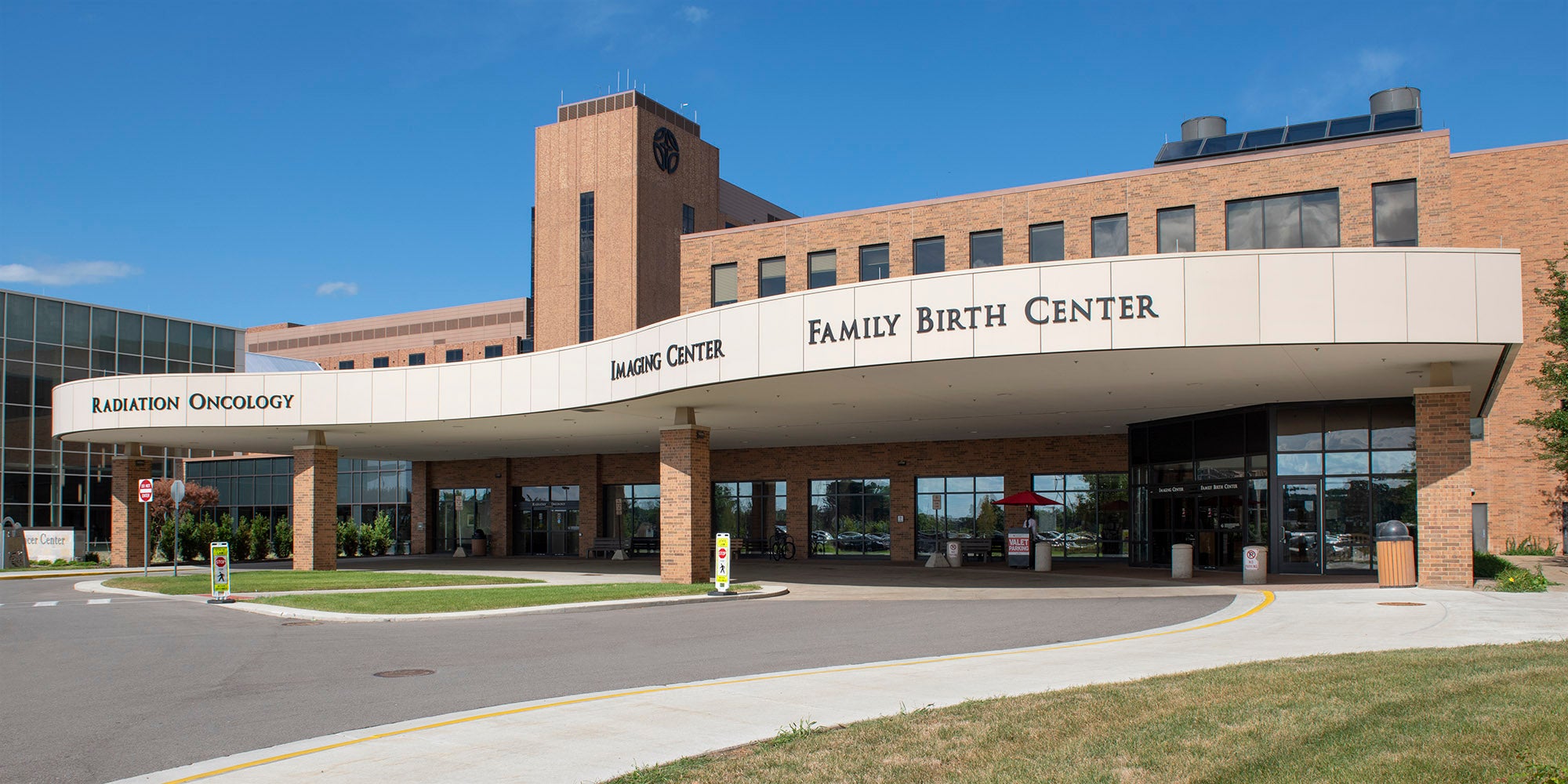
Trinity Health Imaging - Ann Arbor Hospital
5301 E Huron River Dr
Ann Arbor, MI 48106
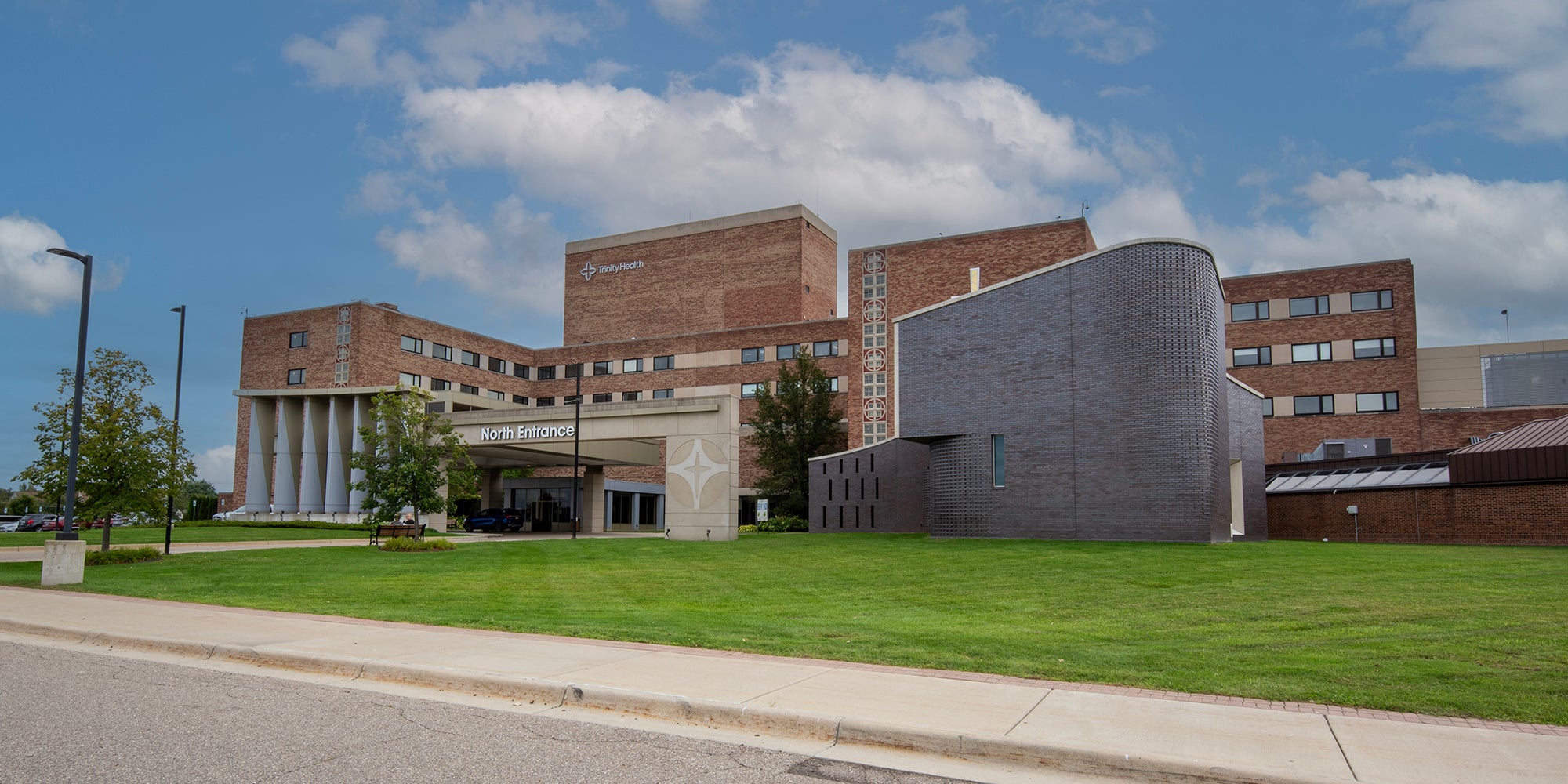
Trinity Health Imaging - Livonia Hospital
36475 Five Mile Rd
Livonia, MI 48154
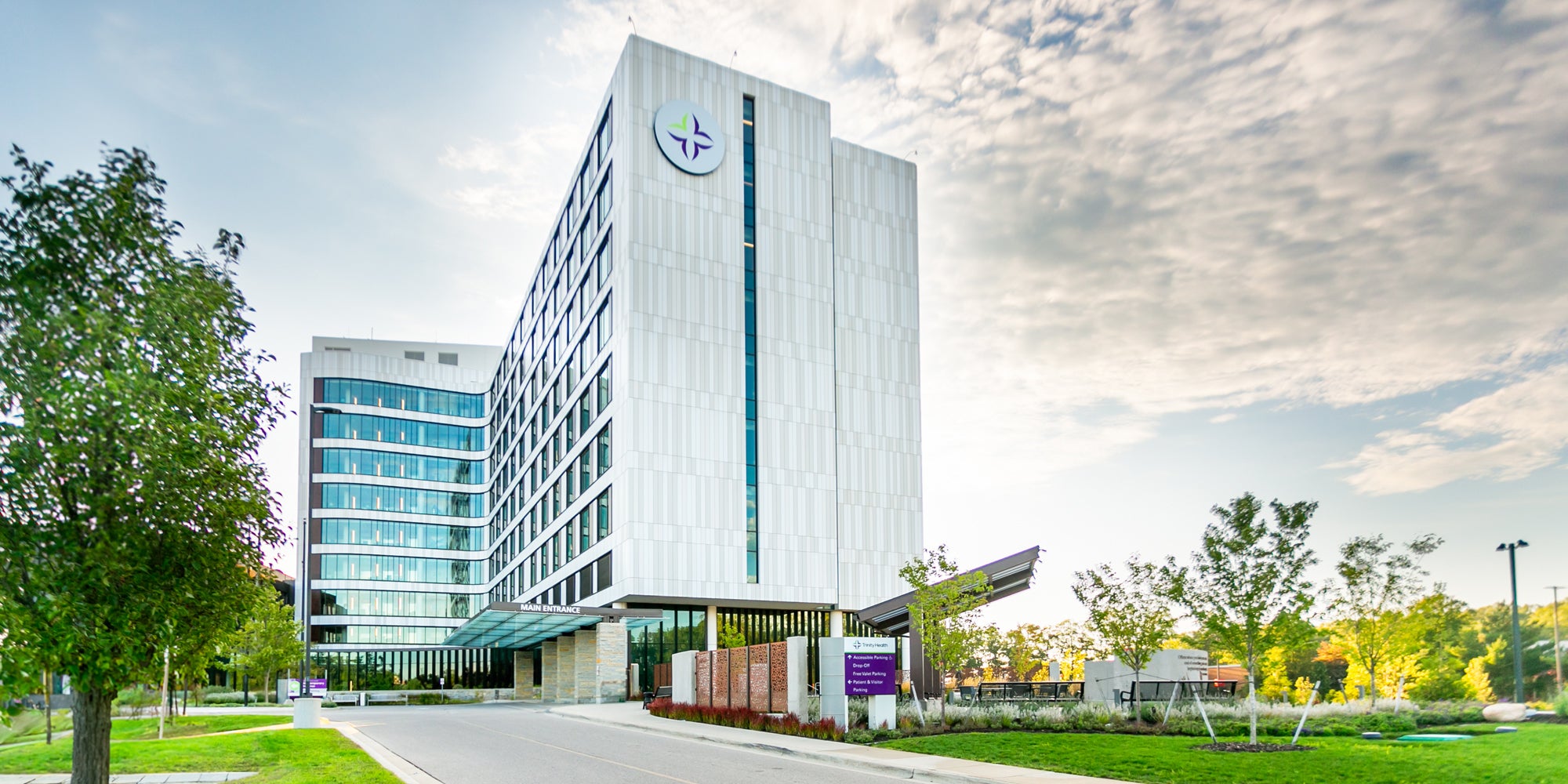
Trinity Health Imaging - Muskegon Hospital
1500 E Sherman Blvd
Muskegon, MI 49444
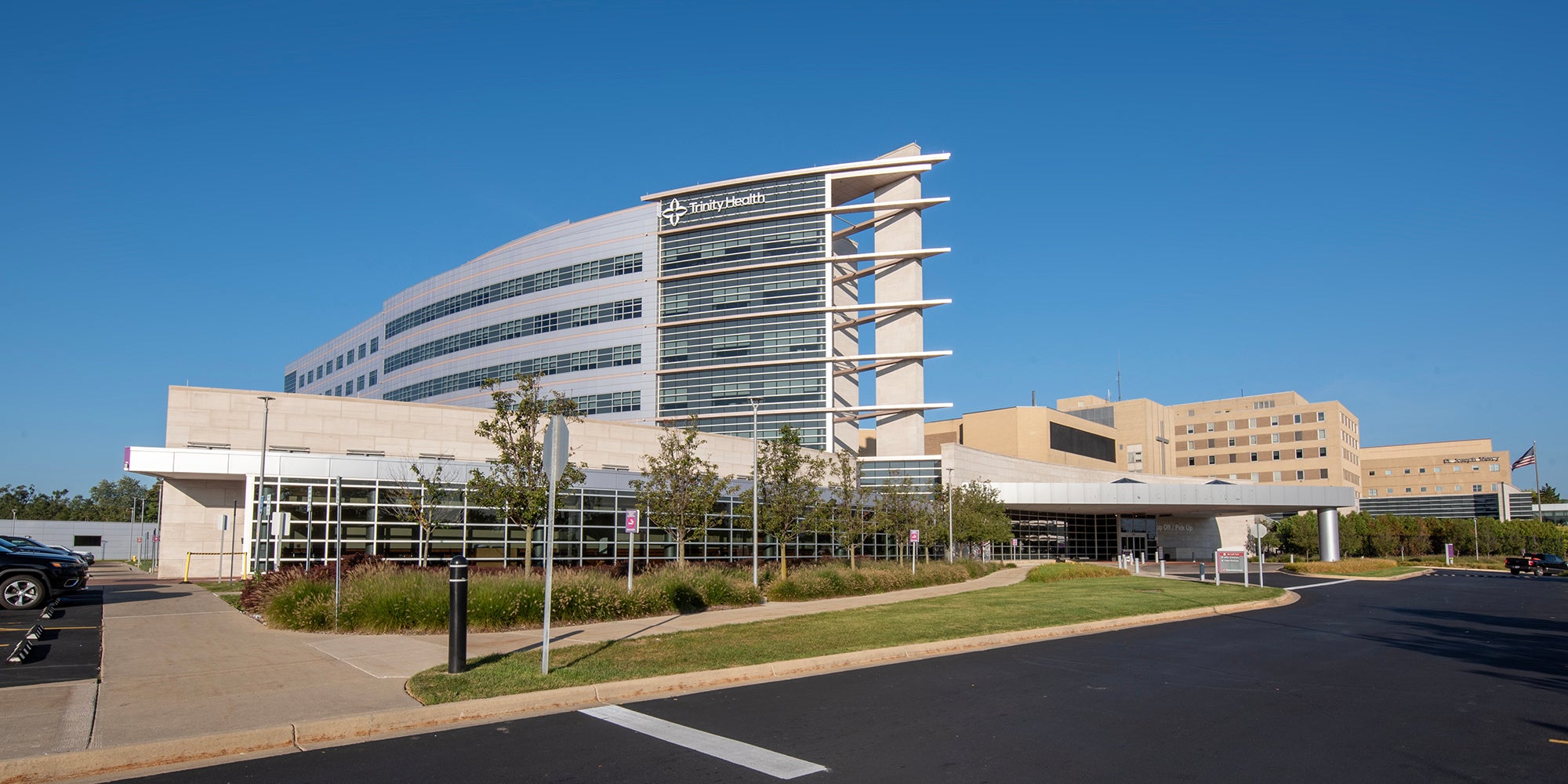
Trinity Health Imaging - Oakland Hospital
44405 Woodward Ave
Pontiac, MI 48341
Interventional Radiology Care We Provide
From vascular disease and cancer to chronic pain and other complex conditions, interventional radiology offers effective solutions.
Examples of IR procedures we provide include:
(These procedures are typically done on an urgent or emergency basis.)
- PE Thrombectomy or Thrombolysis: Removes or dissolves blood clots in the lungs to treat a pulmonary embolism.
- DVT Thrombectomy or Thrombolysis: Treats deep vein thrombosis (DVT) by breaking up or removing blood clots in the legs.
- Active Arterial Hemorrhage Embolization: Stops active internal bleeding by blocking the bleeding blood vessel.
- Pseudoaneurysm Treatment: Treats abnormal bulges in blood vessels to prevent rupture and bleeding.
- Cholecystostomy Tube Placement: Places a drainage tube in the gallbladder to treat infection or inflammation, often in patients too sick for surgery.
- Biliary Drainage and Stenting: Opens blocked bile ducts to relieve jaundice or infection in the liver.
- Nephrostomy Tube Placement (Acute): An emergency procedure to relieve urinary blockage and prevent kidney damage.
- Peripheral Artery Disease (PAD): Plaque buildup in the legs causes severe cramping and wounds that do not heal. We use minimally invasive balloons and stents to reopen blocked arteries to relieve pain, restore mobility and prevent amputation.
- Renal Artery Stenosis: Narrowed kidney arteries can cause dangerous, hard-to-control high blood pressure. We place tiny mesh stents to permanently prop the arteries open, stabilizing blood pressure and protecting kidney function.
- Mesenteric Ischemia: Blocked digestive arteries cause severe abdominal pain 15-30 minutes after eating. We safely clear these blockages to restore healthy blood flow, allowing you to eat comfortably again and prevent life-threatening bowel damage.
- Dialysis Access Maintenance/Declot: For patients who rely on hemodialysis, maintaining a functioning access is essential. We use minimally invasive, image-guided techniques to clear blood clots (declot) and open narrowed veins, ensuring your life-saving dialysis treatments continue without interruption.
- Visceral Aneurysm Coiling: Treats aneurysms in abdominal organs like the spleen or liver by blocking off the weak area with tiny coils.
- Pulmonary AVM Embolization: Closes abnormal blood vessels in the lungs that can lead to low oxygen levels and serious complications.
- Deep Venous Recanalization and Stenting: Opens blocked veins to improve circulation and relieve symptoms like leg swelling and pain.
- Aortic Endoleak Embolization: A follow-up procedure for patients who’ve had an aortic aneurysm repair to close off leaks.
- Catheter Embolization: This procedure uses certain devices to seal off blood vessels from the inside that are bleeding or supplying cancerous and non-cancerous tumors.
- Bone Tumor Ablation: Used to treat painful bone tumors, especially in patients with metastatic cancer, this technique relieves pain and improves mobility.
- Y-90 Radioembolization: Tiny beads filled with radiation are delivered directly to liver tumors, targeting cancer cells while sparing healthy tissue.
- Transarterial Chemoembolization (TACE): Chemotherapy agents are directly administered into the arteries feeding liver tumors. Then, these arteries are subsequently blocked, keeping the treatment where it is needed most.
- Image Guided Biopsies: Different modalities (CT, US, etc... ) are used to directly target and sample tissue from a suspicious area, such as the liver, lymph nodes, or thyroid, to check for signs of disease.
- Thermal Ablations: Using image guidance, our specialists insert a tiny probe directly into a tumor to destroy cancer cells using extreme heat (microwave or radiofrequency ablation) or cold (cryoablation). This targeted approach treats the cancer while preserving surrounding healthy tissue.
- Chemoembolization: A targeted treatment that delivers a high dose of chemotherapy directly into the blood vessels feeding a tumor, most commonly in the liver. We then block the blood supply to the tumor, trapping the medication inside and depriving the cancer of the oxygen it needs to grow.
- Radioembolization (Y-90): A highly precise radiation therapy, primarily for liver tumors. We deliver microscopic, radioactive beads directly into the arteries supplying the tumor. This destroys cancer cells from the inside out while minimizing radiation exposure to healthy liver tissue.
- Hemorrhoid Artery Embolization (HAE): A painless, "no-cut" alternative to traditional hemorrhoid surgery. Through a pinhole in the wrist or groin, we block the blood vessels feeding internal hemorrhoids, causing them to shrink while avoiding a notoriously painful recovery.
(These procedures are typically done on an urgent or emergency basis.)
- PE Thrombectomy or Thrombolysis: Removes or dissolves blood clots in the lungs to treat a pulmonary embolism.
- DVT Thrombectomy or Thrombolysis: Treats deep vein thrombosis (DVT) by breaking up or removing blood clots in the legs.
- Active Arterial Hemorrhage Embolization: Stops active internal bleeding by blocking the bleeding blood vessel.
- Pseudoaneurysm Treatment: Treats abnormal bulges in blood vessels to prevent rupture and bleeding.
- Cholecystostomy Tube Placement: Places a drainage tube in the gallbladder to treat infection or inflammation, often in patients too sick for surgery.
- Biliary Drainage and Stenting: Opens blocked bile ducts to relieve jaundice or infection in the liver.
- Nephrostomy Tube Placement (Acute): An emergency procedure to relieve urinary blockage and prevent kidney damage.
- Prostate Artery Embolization (PAE): A minimally invasive procedure to treat men with enlarged prostates causing lower urinary tract symptoms. This blocks the arteries to the prostate causing the prostate to shrink and become softer. This allows urine to pass through the prostate easier and relieves symptoms. This is a very good option for patients with very large prostates, patients on blood thinners, and those that are poor surgical candidates.
- Uterine Fibroid Embolization (UFE): A non-surgical treatment for symptomatic fibroids that blocks the blood supply, causing them to shrink and symptoms to improve.
- Varicocele Embolization: Treats enlarged veins in the scrotum (varicocele) to relieve pain and improve fertility in men.
- Ovarian Vein Embolization: Often used to treat pelvic congestion syndrome, this procedure targets problematic veins to relieve chronic pelvic pain.
- Nephrostomy Tube Placement: A small tube is inserted into the kidney to drain urine when there’s a blockage in the urinary tract.
- Prostate Artery Embolization (PAE): A minimally invasive treatment for an enlarged prostate (benign prostatic hyperplasia, or BPH). By safely blocking blood flow to the prostate, the gland naturally shrinks, relieving uncomfortable urinary symptoms without the risks or sexual side effects associated with traditional surgery.
- Genicular Artery Embolization (GAE): A breakthrough for chronic knee osteoarthritis. We reduce severe joint inflammation by blocking abnormal microscopic blood vessels in the knee lining, providing long-lasting pain relief and delaying the need for a knee replacement.
- Transjugular Intrahepatic Portosystemic Shunt (TIPS): A minimally invasive procedure for patients with severe liver disease (cirrhosis). We place a small stent in the liver to create a new blood pathway, relieving high blood pressure in the liver's veins (portal hypertension) and preventing dangerous internal bleeding and fluid buildup in the abdomen.
- Balloon-Occluded Retrograde Transvenous Obliteration (BRTO): A specialized treatment for swollen, bleeding veins (varices) in the stomach caused by portal hypertension. Using image guidance, we temporarily block the swollen veins with a balloon and inject medication to permanently seal them off, stopping and preventing life-threatening bleeding.
- TIPS (Transjugular Intrahepatic Portosystemic Shunt): A procedure that creates a pathway within the liver to relieve pressure from portal hypertension in patients with liver disease. By decreasing the pressure, patients can have improvement in fluid build up in the abdomen and chest. This procedure is also used to stop bleeding caused by the increased pressure from liver disease.
- Balloon-Occluded Retrograde Transvenous Obliteration (BRTO): Used to treat gastric varices (enlarged veins in the stomach), reducing the risk of bleeding.
- Port Placement: A small device inserted under the skin to make it easier to receive regular treatments like chemotherapy or plasmapheresis. The port connects to a vein and is placed using image guidance.
- Kyphoplasty & Sacroplasty: These minimally invasive procedures treat debilitating pain caused by compression fractures in the spine (vertebrae) or pelvis (sacrum), often resulting from osteoporosis or trauma. Using image guidance, a needle is inserted into the affected bone and medical-grade cement is injected to stabilize the fracture, frequently providing immediate pain relief, restoring mobility and improving quality of life.
- Uterine Artery Embolization (UAE/UFE): A highly effective, uterus-preserving alternative to hysterectomy for uterine fibroids. By blocking blood flow to the fibroids, fibroids safely shrink, providing dramatic relief from heavy bleeding and pelvic pain.
- Drainage Tube Placement (including PleurX Catheters): Places a small tube to drain fluid buildup from areas like the lungs or abdomen, commonly used to relieve symptoms from infections, cancer, or chronic conditions.
- Gastrostomy and Gastrojejunostomy Tube Placement: Feeding tubes placed directly into the stomach or small intestine to help people who can’t eat by mouth get the nutrition they need.
- Thoracic Duct Embolization: A highly specialized procedure used to treat chyle leaks, which can happen when lymphatic fluid builds up in the chest due to trauma, surgery, or other conditions.
Interventional Radiology at Trinity Health Michigan: Why Choose Us?
Our hospitals include a large network of leading interventional radiologists who perform advanced, minimally invasive treatments using the latest technology.
Our interventional radiology procedures use pinhole incisions with no stitches, are performed in a same-day outpatient setting.
Expertise
Interventional radiology is an ever-evolving field. Our specialists stay at the forefront of the latest techniques and innovations, ensuring you receive the most effective, evidence-based treatments available.
Our Commitment to Safe Imaging
We follow the nationally recognized Image Wisely® and Image Gently® guidelines, which are designed to reduce unnecessary radiation exposure while maintaining high-quality, accurate imaging.
This means we only recommend imaging when it is truly needed, and we carefully adjust each scan based on your individual needs. Our advanced technology and protocols allow us to keep radiation doses as low as possible while still delivering clear, precise results.
Your safety is always our priority, so you can feel confident receiving care that is both thoughtful and expertly delivered.
Customized Care
Your treatment is tailored specifically to you. Our team considers your condition, medical history, age and overall health to determine the best approach for your needs.
Frequently Asked Questions
Interventional radiology uses imaging guidance to perform minimally invasive procedures through small incisions, reducing recovery time and risk compared to surgery.
Yes. These procedures are performed using advanced imaging and follow strict safety guidelines, often with fewer complications than traditional surgery.
Many procedures are covered by insurance. Contact your provider or care team to confirm coverage.
How to Prepare for Your Interventional Radiology Procedure
Preparation depends on your procedure. Our team will contact you before your appointment to review:
- Food and drink restrictions
- Transportation arrangements
- Procedure timing and recovery expectations
- Type of anesthesia (local or general)