


Ask a Doc: What’s Causing Your Neck or Back Pain? A Neurosurgeon Explains
June 16, 2026Categories: Ask a Doc, Neurosciences (Brain Spine, Nerves)
Tags: Neurosurgery
Jayesh Thawani, MD, a neurosurgeon for Trinity Health IHA Medical Group, specializes in treating conditions affecting the spine, brain, and peripheral nerves. In this Q&A, Dr. Thawani discusses those conditions, how people can develop them, treatment options, and more.
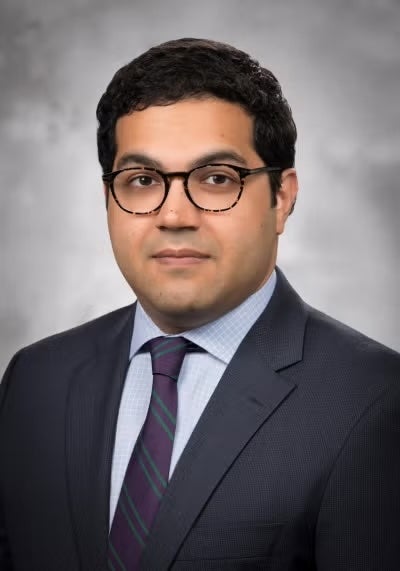
Jayesh Thawani, MD
Neurosurgical Oncologist
Trinity Health IHA Medical Group, Brain & Spine Surgery - Ann Arbor Campus
Accepting new patients
View DetailsQ: Can you explain the types of conditions you most commonly treat involving the spine, neck and brain?
Jayesh Thawani, MD: I treat a wide range of conditions affecting the central nervous system, which includes the brain, spine and the structures in the neck. Some of the most common issues I treat patients for include herniated discs, spinal stenosis (narrowing of the spinal canal), degenerative disc disease, tumors, traumatic injuries, and nerve compression. In the brain, we often manage tumors, vascular abnormalities, and conditions that affect neurological function.
Q: How do patients typically develop these conditions?
Jayesh Thawani, MD: In many cases, it’s a combination of factors. Age-related degeneration is a major contributor, as discs lose their flexibility over time and joints can wear down. Lifestyle factors such as poor posture, repetitive strain, or physical job demands can play a role, as can injuries from accidents or sports. In the brain, tumors may develop for reasons we don’t fully understand, although genetics can be a factor.
Regardless of how patients develop their respective condition, the most vital thing one can do is get it treated as early as possible so we can intervene before symptoms worsen. An early diagnosis can make a significant difference.
Q: What are some of the most common procedures you perform?
Jayesh Thawani, MD: On the spine, common procedures include discectomy (removing a herniated portion of a disc), spinal fusion (stabilizing the spine by joining two or more vertebrae), and decompression surgeries to relieve pressure on nerves. For the neck, we often perform cervical discectomy and fusion or artificial disc replacement. Finally, in the brain, procedures include tumor removal, minimally invasive biopsies, and surgeries to address bleeding or abnormal blood vessels. Each procedure is tailored to the patient’s condition, symptoms, and overall health.
Q: What role does robotics play in your procedures, and how can robotic-assisted surgery benefit patients?
Jayesh Thawani, MD: Robotic-assisted platforms help guide the precise placement of screws and implants, which is critical for stability and long-term outcomes. It improves a surgeon’s precision, which reduces the risk of complications and improves outcomes. It can also shorten operating times and minimize blood loss, which helps patients recover faster. And because procedures are more accurate and less invasive, patients also typically experience less pain following surgery. Overall, robotic assistance enhances our surgical capabilities, resulting in the highest quality care for our patients.
Q: Is robotic-assisted surgery appropriate for every patient?
Jayesh Thawani, MD: Every patient is different and not every condition requires surgery in the first place. We always start with treatments like physical therapy and medications. When surgery is required, we evaluate the best approach based on the patient’s anatomy, condition, and overall health. The goal is to customize a plan to offer the safest, most effective treatment for the person we are treating.
Q: Is there anything else you want patients to know?
Jayesh Thawani, MD: I want to reiterate that people should not ignore their symptoms; an early evaluation can make a significant difference. I would strongly encourage patients to choose a surgeon and care team that has experience with advanced techniques and a patient-centered approach. These procedures can be complex, but with the right care team and technology, outcomes are better than ever before.
Are you suffering from back or neck pain?
Discover how our neurosurgeons can help.