



AFib Risk Factors: Common Conditions That Raise Your Risk
February 13, 2026
Categories: Cardiovascular Health
Atrial fibrillation, often called AFib, is the most common type of irregular heart rhythm in adults. While anyone can develop it, certain long-term health conditions raise the risk significantly. Knowing which conditions contribute to AFib can help you protect your heart and understand when it is time to talk with a healthcare provider.
Below are five common health conditions linked to a higher risk of AFib, followed by the symptoms you should never ignore.
High Blood Pressure (Hypertension)
High blood pressure makes your heart work harder than it should. Over time, this extra pressure can cause the upper parts of your heart to stretch or become stiff. When this happens, your heart’s normal beat can be thrown off. These changes make it easier for an irregular heartbeat to develop, which can lead to AFib.
Why it increases AFib risk:
- Damages the heart's electrical pathways
- Causes thickening of heart muscle
- Increases inflammation in the heart
Diabetes
Diabetes affects more than just blood sugar levels. High glucose over time can damage blood vessels and increase inflammation throughout the body, including the heart.
Why it increases AFib risk:
- Promotes inflammation in the heart
- Increases the likelihood of high blood pressure
- Can contribute to weight gain, a major AFib risk factor
“Diabetes does not just affect your metabolism. It affects your heart health too,” says Apurba Chakrabarti, MD, a cardiologist with Trinity Health. “Keeping blood sugar under control can significantly reduce your long-term risk of AFib.”
Obesity
Carrying extra weight puts more strain on the heart. It also raises the risk of other conditions related to AFib, like high blood pressure, diabetes and sleep apnea.
Why it increases AFib risk:
- Raises overall cardiac workload
- Increases fat deposits around the heart that can disrupt electrical signals
- Contributes to chronic inflammation
Even small amounts of weight loss have been shown to reduce the risk of AFib.
Sleep Apnea
Obstructive sleep apnea causes repeated pauses in breathing during sleep. Those pauses lead to sudden drops in oxygen levels and bursts of stress hormones. This cycle puts significant strain on the heart over time.
Why it increases AFib risk:
- Causes sudden increases in blood pressure during sleep
- Places stress on the heart's electrical system
- Leads to long-term changes in heart structure
Chronic Kidney Disease (CKD)
Chronic kidney disease and AFib are closely connected. When the kidneys are not functioning well, fluid levels and electrolytes can become imbalanced. These changes directly affect heart rhythm stability.
Why it increases AFib risk:
- Leads to electrolyte imbalances that affect heartbeat regulation
- Contributes to high blood pressure
- Causes inflammation and stiffness in heart tissue
“Heart health and kidney health are deeply linked,” says Apurba Chakrabarti, MD, a cardiologist with Trinity Health. “Managing kidney disease aggressively is one of the most important steps in reducing AFib risk.”
Signs and Symptoms of AFib
Some people have noticeable symptoms, while others have none at all. Understanding the warning signs is the best way to catch AFib early.
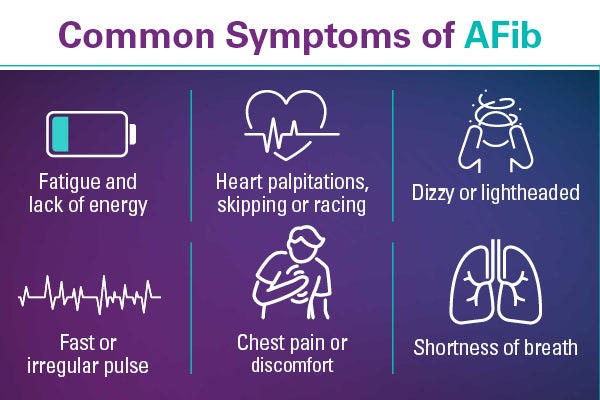
Common symptoms include:
- Heart palpitations that feel like racing, fluttering, or skipping
- Chest discomfort or pressure
- Fatigue or general weakness
- Shortness of breath
- Dizziness or lightheadedness
- Reduced ability to exercise
- A sudden feeling of anxiety or uneasiness
Even if symptoms come and go, they should still be evaluated. Untreated AFib increases the risk of stroke and heart failure.
Protect Your Heart: Know Your Risk and Take Action
If you live with hypertension, diabetes, obesity, sleep apnea or chronic kidney disease, your risk of AFib is higher. The good news is that early treatment, lifestyle changes and regular monitoring can greatly reduce complications and support long-term heart health.
Take the Next Step and Request an Appointment
If you are concerned about your symptoms or your risk, your primary care provider is the best place to start. They can evaluate your heart, order tests if needed and refer you to a cardiologist for specialized care.