



Author: Kelly Wilson, RDN, DipACLM
Dietary fat is an important part of a balanced diet. However, not all fats are “created equal.” The main fats found in foods are classified as saturated – found in highest concentrations in animal-based foods (meats, cheese, milk, butter, lard, etc.) and tropical oils (palm, coconut) - or unsaturated – found primarily in nuts, seeds, olives, avocados and fatty fish. Dietary patterns that replace saturated fat with unsaturated fat are associated with lower rates of cardiovascular disease, diabetes and cognitive decline and better overall health.
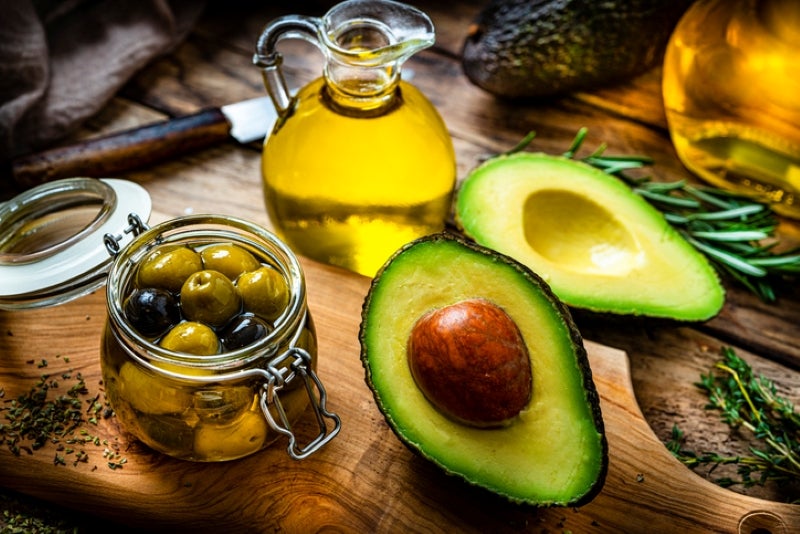
Two common sources of unsaturated fat in the modern kitchen are avocado and olive oil. While both can promote health, they each have unique properties and benefits.
Feature |
Olive Oil |
Avocado Oil |
|---|---|---|
Flavor |
Grassy, fruity, peppery or nutty |
Mild, buttery or neutral |
Smoke Point |
About 350°F (extra virgin) |
About 500°F (refined) |
Best For |
Dressings, drizzling, sautéing |
Grilling, roasting, baking, searing |
Polyphenols |
High in cold-pressed extra virgin varieties |
Present in virgin varieties; most U.S. products are refined |
The Difference Between Refined and Virgin (Unrefined) Oils
Both olive and avocado oil come in refined or virgin forms. Virgin oils are mechanically extracted from their source without undergoing any additional heating or chemical treatment. Refined oils undergo processing to remove impurities, odors, colors and flavors. This improves stability for higher temperature cooking and increases shelf life. Most of the avocado oil available in U.S. grocery stores is refined.
Health Benefits of Olive Oil and Avocado Oil
When they replace saturated fat (i.e. butter or lard), both olive oil and avocado – refined or virgin - decrease risk for certain chronic health conditions. This is because both oils are high in a type of unsaturated fat called monounsaturated that promotes heart health, decreases inflammation and increases insulin sensitivity. Both oils are also a good source of Vitamin E, a fat-soluble vitamin that protects our body’s cells from damage and may support heart health.
Polyphenols and Antioxidants: What Makes Extra Virgin Olive Oil Unique?
Further benefits of each oil depend on how it was processed. Virgin oils that are “cold pressed” (not heated above 80F) are a rich source of polyphenols – naturally occurring compounds found in plants - that act as antioxidants, decrease inflammation, support immune health and protect cognitive functioning. Refined oils, which are heated, typically lose their polyphenol content.
Olive Oil vs. Avocado Oil Taste and Flavor Differences
Extra virgin olive oil’s flavor varies depending on the olives’ growing region, ripeness when pressed and variety. Common flavor descriptors for extra virgin olive oil include “grassy” and bitter, fruity or floral, pungent and peppery, buttery or nutty.
Virgin avocado oil is often described as grassy, nutty, or buttery with a mild mushroom-like flavor while refined avocado oil has a very mild, neutral flavor.
Cooking and Smoke Point: When to Use Olive Oil vs. Avocado Oil
Refined avocado oil has a high smoke point (500 F) and a neutral flavor. These properties make avocado oil a perfect choice for high temperature cooking methods (i.e. searing, grilling, roasting or baking) and replacing butter in recipes where olive oil’s strong flavor is not desired.
The smoke point of extra virgin olive oil is 350F. To avoid destroying the oil’s beneficial polyphenols and prevent the formation of free radicals, use extra virgin olive oil for cooking below 350F. This includes sauteing over medium to medium low heat, drizzling on already cooked vegetables, or making dressings.
How to Choose and Store Olive Oil and Avocado Oil for Maximum Freshness
To ensure freshness, choose oils that are as close to their harvest or production date as possible. The “best before date” is not always a reliable indicator of quality.
Select oils that are packaged in dark, glass bottles. This protects them from oxidation – a process that creates damaging free radicals. To further protect from oxidation, store all oils in a cool, dark place away from light and heat.
Olive Oil vs. Avocado Oil: Final Takeaway
Olive and avocado oils are both healthy options to use in place of saturated fat. To maximize the health benefits of cooking oils in your kitchen, use extra virgin cold pressed olive oil for all light sauteing and dressings and use refined avocado oil for high temperature cooking like grilling, roasting or baking.
Turn Healthy Choices Into Lasting Habits
Learn how small changes in nutrition and lifestyle can improve long-term health.
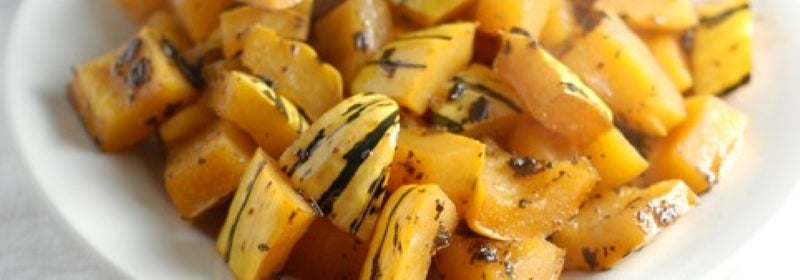
Roasted Delicata Squash with Apples, Kale & Pepitas
Enjoy this roasted delicata squash recipe with apples, kale and pepitas. This plant-based fall dish is packed with flavor and health boosting nutrients.
Get the Recipe