



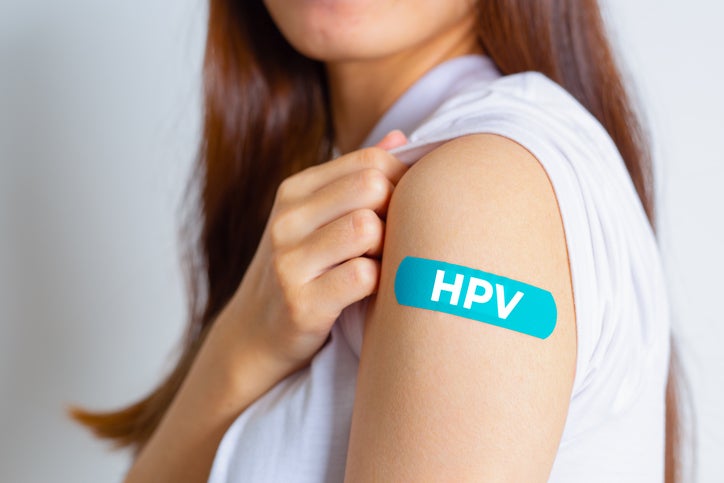
Kevin McCool, MD, is a gynecologic oncologist with Trinity Health IHA Medical Group. In this Q&A, he discusses what HPV is, its connection to cervical cancer, screening recommendations, the power of the HPV vaccine, and more.

Kevin McCool, MD
Gynecologic Oncology
Trinity Health IHA Gynecologic Oncology - Livonia Hospital
View DetailsQ: What is HPV, and how do people most commonly get it?
Dr. McCool: Human Papillomavirus, otherwise known as HPV, is a sexually transmitted infection. There are more than 200 types of HPV, and it most commonly spreads through direct skin to skin contact. There are usually no visible symptoms.
Q: How common is HPV? What are the rates of infection?
Dr. McCool: HPV is the most common sexually transmitted infection in the United States, with more than 42 million people in the United States currently having a disease causing type of HPV. An estimated 80 percent of people will get it at some point in their life, and about 13 million are infected each year in the United States.
Q: What happens if you get HPV?
Dr. McCool: In most cases, nothing noticeable happens. Ninety percent of infections clear up naturally within two years without causing any health issues. However, some types of HPV can lead to genital warts and several types of cancer, including cervical, anal, and throat cancers.
Q: What is the connection between HPV and cervical cancer?
Dr. McCool: HPV is responsible for nearly all cervical cancers. In the United States, HPV causes approximately 10,800 cervical cancer cases each year. However, this is all preventable. Cervical cancer was once a leading cause of cancer death among women in the United States, but thanks to HPV vaccination and regular screening, it is now one of the most preventable cancers we know of.
Q: How often should women be screened for cervical cancer?
Dr. McCool: Regular screening is one of the best ways to detect cervical cancer early, when it’s most treatable. Current guidelines recommend women ages 21-29 get a Pap smear every three years. There are a few options for women ages 30-65, including getting an HPV test every five years, a Pap smear every three years, or a combined HPV and Pap smear every five years. Screening is generally not recommended for women under 21 or over 65 who have had previously normal test results. I encourage anyone who is unsure about their screening schedule to speak with their doctor, as staying current on these tests can truly save lives.
Q: When should someone get the HPV vaccine?
Dr. McCool: The vaccine is the safest and most effective way to prevent HPV. The CDC recommends routine vaccination at ages 11-12, with the option to start at nine years old. The HPV vaccine requires two doses if you receive your first dose before age 15, and three doses if you start at 15 or older. It may seem early to vaccinate, but the vaccine works best before any exposure to the virus, which is why starting young provides the strongest protection.
Q: Is the HPV vaccine just for girls?
Dr. McCool: Not at all. The HPV vaccine is recommended for both boys and girls. HPV can cause cancers in everyone, including cancers of the anus, throat and penis in men. In fact, cancer of the back of the throat is now the most common HPV-associated cancer in men. Vaccination protects the person who receives it and helps reduce spread to their future partners.
Q: How effective is the HPV vaccine at preventing cervical cancer?
Dr. McCool: The data is remarkable. According to the CDC, cervical precancer rates dropped 79 percent among screened women ages 20-24 between 2008-2022, the age group most likely to have been vaccinated. Overall, HPV vaccination can prevent more than 90 percent of HPV-caused cancers. This is one of the rare cases in medicine where we have a vaccine that can truly prevent cancer — not just cervical cancer, but anal, throat, and other HPV-related cancers as well — and the evidence behind it is very strong.
Q: Is there anything else you’d like people to know?
Dr. McCool: HPV is incredibly common, and having it is not a sign that someone did anything wrong. The body clears the virus on its own in most cases, but staying up to date on screenings and getting vaccinated are proven to be safe and effective ways to protect yourself. I also encourage people to talk with their health care provider about HPV, whether it’s questions about testing, the vaccine or concerns about any symptoms that may arise. Open conversations and preventive care are among the best tools we have to reduce the impact of HPV related diseases.
Talk to your primary care provider about prevention and screening recommendations.
Schedule online with a Trinity Health primary care provider near you.