



Tick-tock: Tick-borne infections are on the rise in Michigan
March 26, 2026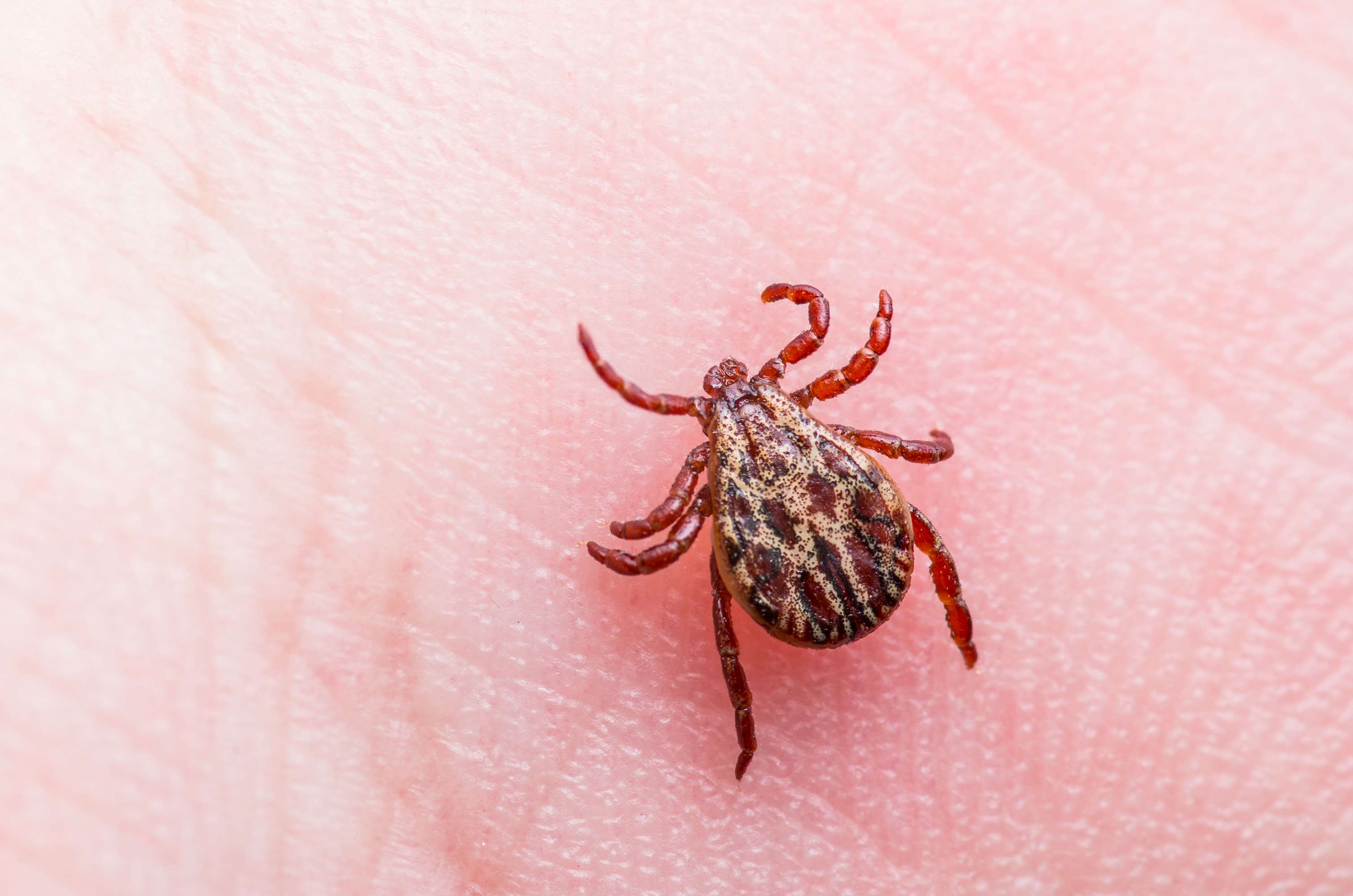
Spring hasn’t quite “sprung” yet, and while you may associate ticks with warmer weather, now is a critical time of year for those tiny insects. They aren’t just annoying pests – they can cause serious health problems. More bad news: they are spreading disease at higher rates and spreading more types of disease than years past.
March and April are important months for ticks
It’s important to be on the lookout for ticks, even before the weather fully warms up. Ticks start emerging when temperatures are consistently above 40 degrees. Nymphs hatch and start coming out later in Spring. These “baby ticks” are very small and hard to see, even when attached.
Ticks can carry several diseases, not just Lyme
Lyme disease continues to be the most common disease that ticks spread, but there are several others to be aware of. Anaplasmosis is now the second most common tick-borne infection in Michigan. It’s primarily transmitted by blacklegged ticks, also known as deer ticks. It causes fever, severe headaches and muscle aches. Patients often have a full recovery with proper treatment, but they are certainly feeling miserable for one to two weeks after a bite.
Ehrlichiosis and Babesiosis are less common but are transmitted by ticks in Michigan. Both cause similar symptoms as anaplasmosis, with ehrlichiosis also sometimes causing an upset stomach. Babesiosis can also cause nausea and fatigue and is a greater threat to people who don’t have a spleen, are immunocompromised, or are older than 50.
Tick-borne infections are on the rise in West Michigan
It wasn’t long ago that Lyme disease was relatively rare in West Michigan. From 2016 to 2020, Kent County only had 11 cases per year. By 2024, that number had jumped to 136. The final 2025 data has not been completed, but through September, there were already 216 cases in Kent County. That’s at least an 1,800% increase in just five years!
It’s not just Lyme disease that’s on the rise. Michigan reported 82 cases of anaplasmosis in 2024, a 382% increase from 2020.
Climate is the biggest cause
A Michigan State report in 2024 analyzed the growing expansion of Lyme disease throughout Michigan, finding that our changing climate is the biggest culprit. Ticks are now able to survive and thrive in parts of our state where it was previously too cold. Milder winters and longer summers have allowed ticks to spread and that means more infections.
One kind of tick can even cause a red meat allergy
A tick-borne illness is now popping up in Michigan and it’s particularly miserable for you carnivores: Alpha-gal syndrome (AGS). AGS is a serious allergic reaction to a sugar molecule found in most mammals. That means a few hours after eating red meat or consuming dairy products, patients can experience hives, nausea, vomiting, stomach cramps and difficulty breathing.
It’s primarily caused by the bite of the Lone Star Tick, a tick that previously wasn’t found in Michigan. But because of the warming climate, the tick has begun migrating to our state and now makes up about 5% of the ticks in Michigan.
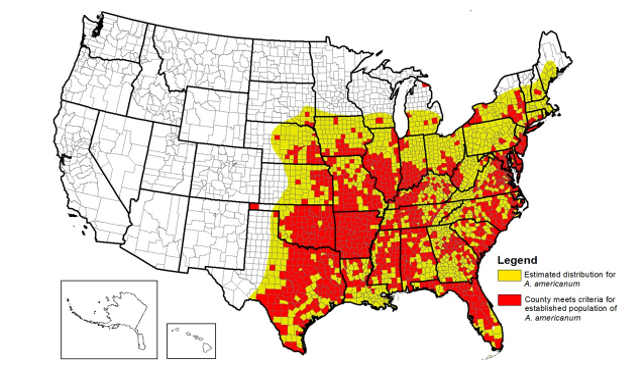
Estimated distribution of the lone star tick (Amblyomma americanum) in the United States and counties with established populations through 2024. Courtesy: Centers for Disease Control
Prevention is key
There are no vaccines that can protect you from any of these tick-borne diseases. Prevention and proper treatment are the only options. That State of Michigan has great resources on how to prevent tick bites, including avoiding tick-infested areas such as overgrown grass and brush, using insect repellant, and performing a tick check after enjoying the outdoors.
Another key part of prevention is doing routine checks on your pets, especially the pets that spend a lot of time outdoors. Taking your dog for a hike? Do a quick “tick check” before you head home so you don’t let them in your house.
Most tick-borne diseases are usually treated with a 10 to 21 day course of oral antibiotics, which is usually doxycycline. Early diagnosis and proper treatment are key to preventing more severe diseases.
The state will identify your tick
If you find a tick and need help identifying it, the state can help. You can e-mail photos to the Michigan Department of Health and Human Services (MDHHS) and they will tell you what kind of tick it is. You can find instructions on how to submit those photos on the MDHHS website.
This is when you should see a doctor
If you find a tick on you, the first thing you should do is remove it. Do not wait to go to a health care provider. But make sure you remove it properly! The CDC has instructions on how to properly remove a tick.
You should also see a physician if you see signs of a tick-borne infection starting. This includes an expanding “bulls-eye rash”, fever or chills that are not associated with normal viral symptoms, and headaches, body aches and swollen lymph nodes that don’t go away.
If you think the tick was embedded for more than 36 hours, and it is engorged with blood, you should see a doctor within the next 72 hours.
If symptoms have progressed and you can’t see your PCP quickly, then you should go to an Urgent Care location.