



Robotic-Assisted Bariatric Surgery: A Smart Approach to Weight Loss
December 8, 2025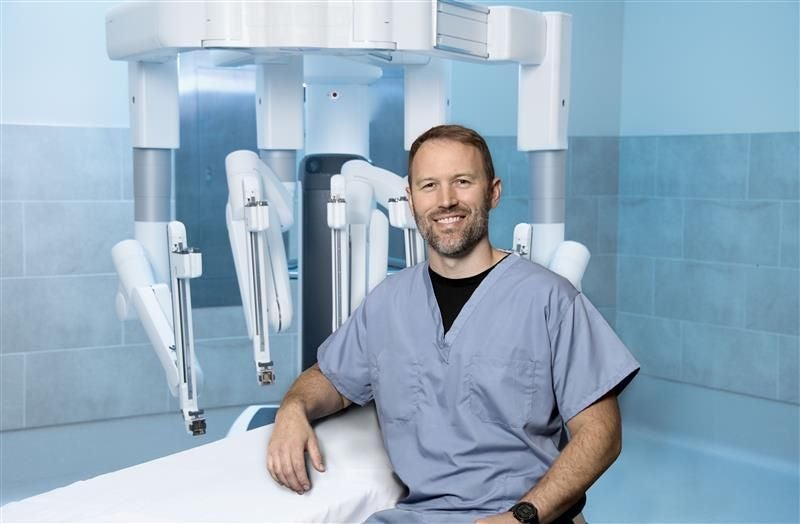
Categories: Bariatric Surgery & Weight Management
Obesity is a serious health challenge linked to diabetes, heart disease, and more. Bariatric surgery has long been an effective solution, but now technology is changing the game. Robotic-assisted bariatric surgery combines minimally invasive techniques with robotic precision for better outcomes and a smoother recovery.
What is Robotic-Assisted Bariatric Surgery?
Robotic-assisted bariatric surgery uses advanced platforms like the da Vinci Surgical System to help surgeons perform complex weight-loss procedures with enhanced control. Unlike traditional laparoscopy, robotic systems offer three-dimensional, high-definition visualization and robotic arms that mimic the flexibility of a human wrist. Surgeons operate from an ergonomic console, which reduces fatigue and improves accuracy during intricate procedures. The robot doesn’t act independently—it’s a tool that amplifies the surgeon’s skill.
Common Robotic Bariatric Procedures
Several bariatric procedures can be performed using robotic assistance.
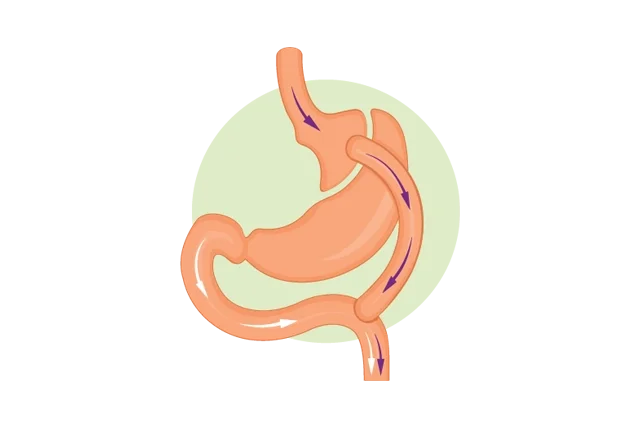
Gastric bypass, for example, involves creating a small stomach pouch and rerouting the intestines to limit food absorption.
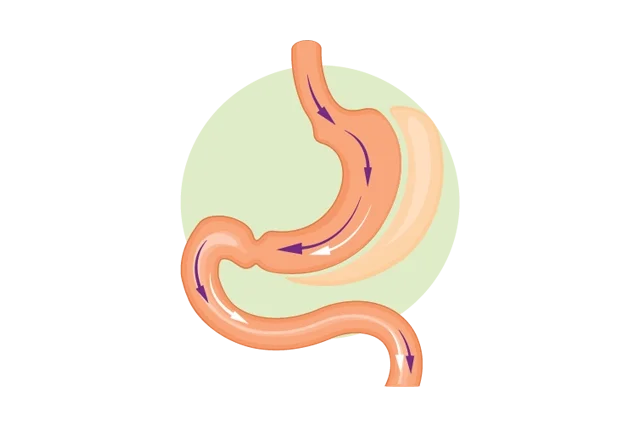
Sleeve gastrectomy removes a large portion of the stomach, leaving a sleeve-shaped organ that restricts food intake.
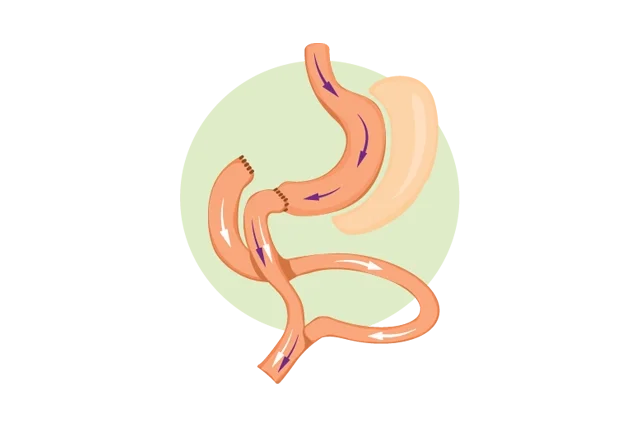
More complex surgeries, such as the duodenal switch, combine restriction and malabsorption for significant weight loss.
Robotic systems are also ideal for revisional surgeries, where precision is critical to correct previous procedures.
Why Surgeons Choose Robotics?
“The robotic system gives us unparalleled precision, especially in patients with high BMI or complex anatomy.” - Eric Krebill, MD, Medical Director for Bariatric Surgery at Trinity Health Grand Rapids
Surgeons are increasingly turning to robotic platforms because they offer advantages that traditional laparoscopic tools cannot match. The enhanced visualization provided by a magnified 3D view allows for meticulous dissection and suturing. Robotic arms offer greater dexterity, enabling movements that mimic and even surpass the human wrist. Operating from a console also improves ergonomics, reducing physical strain during long procedures and allowing surgeons to maintain peak performance throughout.
Benefits for Patients
For patients, robotic-assisted bariatric surgery often means a smoother experience and better outcomes. Smaller incisions can lead to less trauma and reduced scarring, while the precision of robotic instruments minimizes blood loss and lowers the risk of complications. Many patients enjoy shorter hospital stays and faster recovery times compared to traditional surgery. These benefits translate into a quicker return to normal activities and improved overall satisfaction.
Robotic-assisted bariatric surgery is redefining weight loss procedures by combining advanced technology with surgical expertise. It offers enhanced precision, smaller incisions and faster recovery—making it an appealing option for patients and providers alike.
Ready to take the next step toward a healthier future?
Request a consultation and discover how robotic-bariatric surgery can help in your weight loss journey.