



Don't Settle for Hernia Pain
August 12, 2026
Categories: Health & Wellness
Tags: Hernia, Hernia Repair
Abdominal pain, discomfort or a noticeable bulge may be signs of a hernia. A hernia occurs when tissue pushes through a weak area in the abdominal wall. While hernias are common and often not life-threatening, they do not go away on their own and may worsen over time. Common symptoms include a bulge, pain, discomfort or nausea.
What Causes a Hernia?
Hernias can develop for a variety of reasons. Some people are born with a weakness in the abdominal wall, while others develop a hernia later in life. Previous surgery, pregnancy, aging, obesity, chronic coughing and heavy lifting can all increase the risk. When pressure builds inside the abdomen, tissue can push through a weakened area of muscle and form a hernia.
Types of Hernia
There are several types of hernias, but the most common are inguinal and ventral hernias.
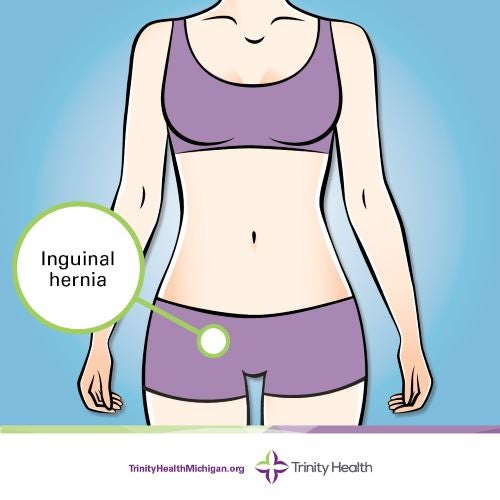
Inguinal hernias occur when tissue pushes through a weak spot in the lower abdominal wall or groin and are more common in men.
Ventral hernias occur when tissue protrudes through an opening in the abdominal wall. Many develop at the site of a previous surgical incision and are known as incisional hernias.
Identify Your Hernia






Can You Prevent a Hernia?
While not all hernias can be prevented, there are steps you can take to reduce your risk:
- Maintain a healthy weight
- Use proper lifting techniques
- Eat a fiber-rich diet to prevent constipation
- Avoid smoking
- Seek treatment for chronic coughing
These habits can help reduce strain on the abdominal wall and support overall health.
When to Seek Treatment
If you are experiencing hernia pain, discomfort or a bulge in your abdomen or groin, talk with your healthcare provider. Early evaluation can help determine the best treatment option and may help prevent complications. Modern hernia treatment, including minimally invasive and robotic-assisted surgery, can often mean less pain and a faster recovery.
You don't have to live with hernia pain or discomfort.
Whether your symptoms are new or worsening, our team can evaluate your condition and create a personalized treatment plan.