
Expert Care for Perimenopause and Menopause

Perimenopause (the transition to menopause) begin after age 35 and lasts about four to eight years for most women. It’s normal to experience symptoms like weight gain, sleep problems, night sweats, hot flashes, fatigue, brain fog, anxiety, mood changes and vaginal dryness. If these changes are negatively impacting your life, our menopause specialists can recommend lifestyle changes and medical treatments to help manage your symptoms.
Menopause occurs after 12 consecutive months without a period – at this point, you’re considered post-menopausal. You may still experience menopause symptoms that affect your emotional, physical and mental health during this time. We’re here to help.
Find Answers, Support and Relief for Perimenopause Symptoms
It’s important to have an experienced provider you can trust. Our menopause experts listen to your unique experience and work with you to create a personalized treatment plan that can be adjusted as your symptoms change.
From menopause hormone therapy (MHT) and hormone replacement therapy (HRT) to nutrition, exercise and sleep plans, our experts are focused on helping you feel your best, so you can enjoy all life has to offer.
Schedule with a Specialist
Ready for Relief?
With online scheduling, connecting with a caring menopause specialist is easy. Select a location to schedule an appointment near you:
Southeast Michigan Locations
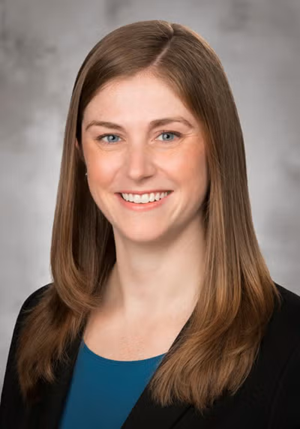
Meghan Bugosh, MD
Accepting new patients
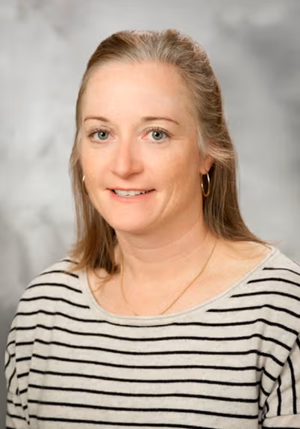
Allison Kreske, MD
Accepting new patients
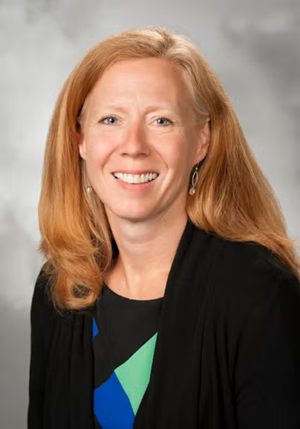
G. Bridget Long, MD
Accepting new patients
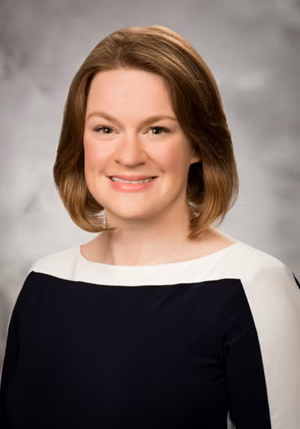
Catríona Macardle, MD
Accepting new patients
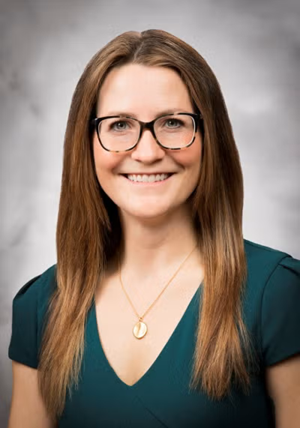
Sara Muszynski, MD
Accepting new patients

Jennifer O'Neill, DO
Accepting new patients

Martha Walsh, MD
Accepting new patients

Maureen Westfall, CNP
Accepting new patients
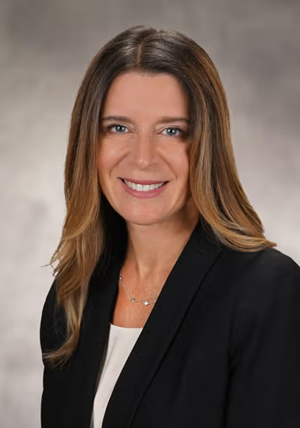
Cristina Alfieri, MD
Accepting new patients

Elizabeth MacDonald, CNP
Accepting new patients
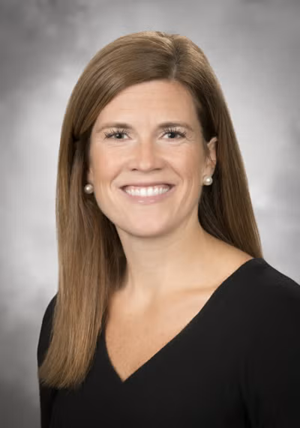
Katie Bernardoni, MD
Accepting new patients
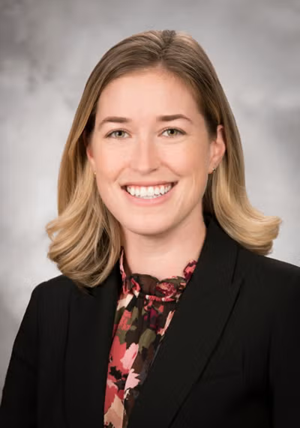
Katherine Bolling, CNM
Accepting new patients
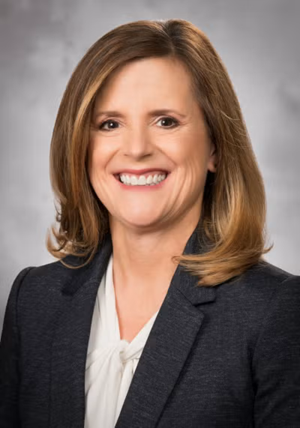
Jody Jones, MD
Accepting new patients
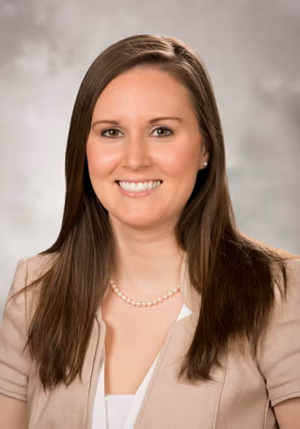
Christine Pipitone, MD
Accepting new patients
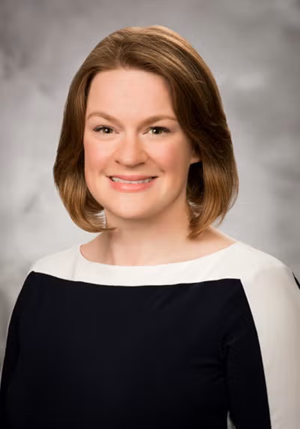
Catríona Macardle, MD
Accepting new patients
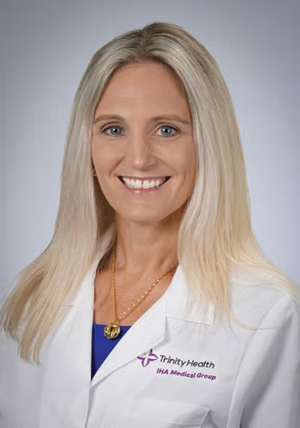
Hildur Runarsdottir, DNP
Accepting new patients

Candice Gates, MD
Accepting new patients

Timothy Johnson, MD
Accepting new patients

Susanne Archer, MD
Accepting new patients
Meghan Bugosh, MD
Accepting new patients
Allison Kreske, MD
Accepting new patients
G. Bridget Long, MD
Accepting new patients

Aabeen Hagroo, DO
Accepting new patients

Julie Masters, DO
Accepting new patients
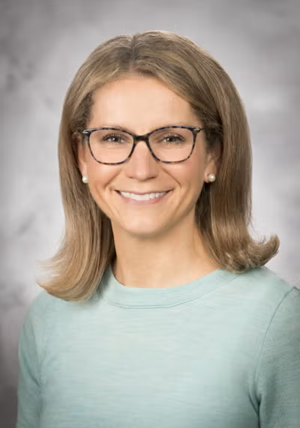
Emily Amoe, CNP
Accepting new patients
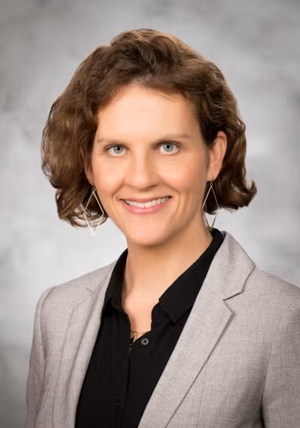
Grace Mishkin, CNP
Accepting new patients
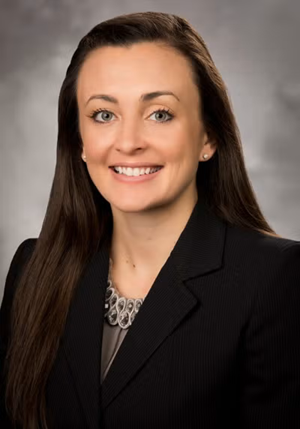
Caitlin Parker, MD
Accepting new patients
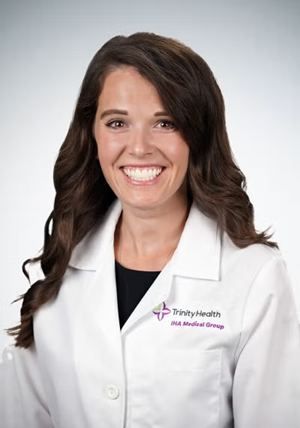
Anna Rujan, MD
Accepting new patients

Heather Wahl, MD
Accepting new patients
West Michigan Locations
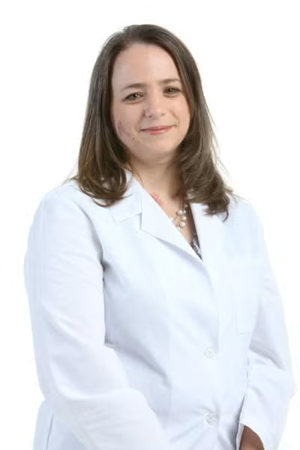
Kathryn Born, MD
Accepting new patients
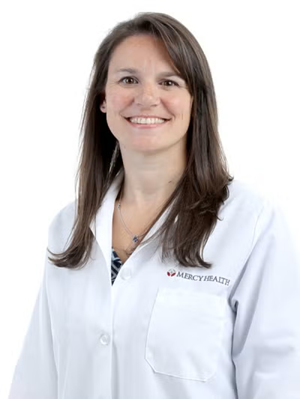
Maggie Forgue, MD
Accepting new patients
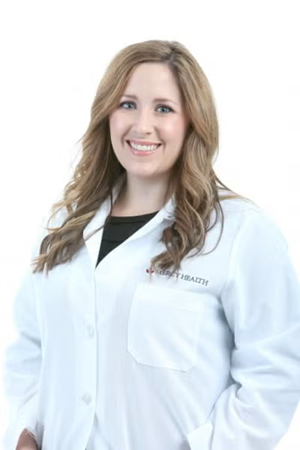
Jessica Gibbie, MD
Accepting new patients
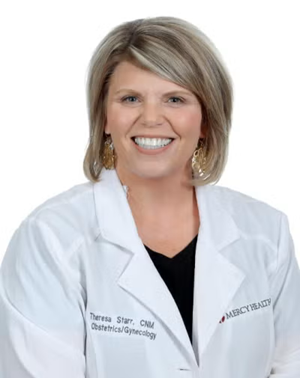
Theresa Starr, CNM
Accepting new patients
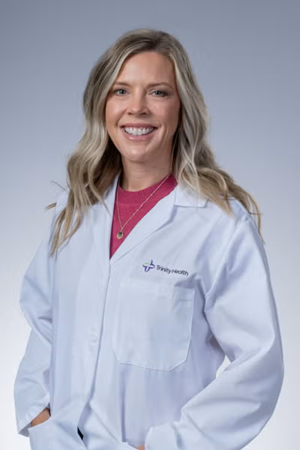
Kelly Wiersema, MD
Accepting new patients

Katherine Betcher, MD
Accepting new patients
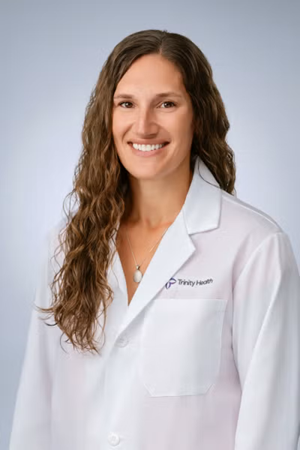
Caitlin Brazda, DO
Accepting new patients
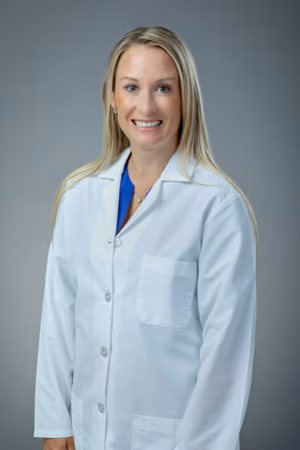
Katherine McCormick, MD
Accepting new patients
Ericka Sikkenga, DO
Accepting new patients
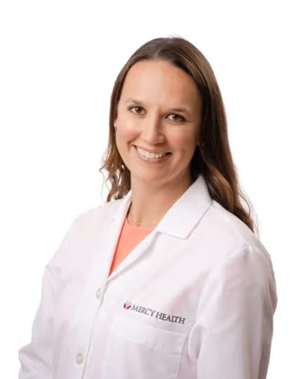
Josephine Spitzley, DO
Accepting new patients
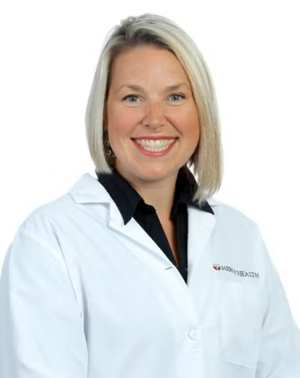
Karissa Tryska, DO
Accepting new patients
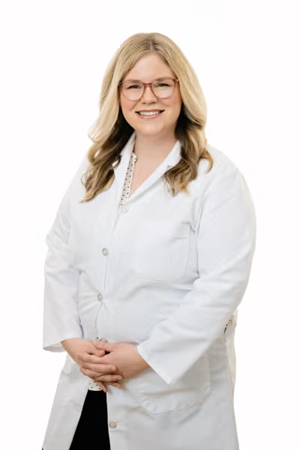
Toni Verhey, FNP-C
Accepting new patients
Commonly Asked Questions
Menopause Treatments fall into two main categories:
- Lifestyle Changes: A personalized treatment plan focusing on lifestyle changes including a consistent sleep routine, protein-rich diet and drinking plenty of water can help with symptoms.
- Hormone Replacement Therapy: Also known as Menopause Hormone Therapy, this treatment typically involves a combination of estrogen and progesterone, which can be administered through a pill, skin patch, ring, gel, cream or spray to help control many common symptoms.
For most women younger than 60 or within about 10 years of menopause, the benefits of hormone therapy typically outweigh the risks. The risks associated with hormone therapy can vary based on age, health history, the type and dose of hormones and how they are taken.
For some women with certain medical conditions (hormone-sensitive cancers, a history of specific types of blood clots, stroke, or heart attack), hormone therapy may not be a good option.
Every patient is different, and individual risks and benefits should be discussed with a Trinity Health menopause specialist.
If you’re experiencing symptoms, it’s time to see a Trinity Health menopause specialist, who can evaluate your symptoms and health goals and provide a personalized treatment plan.