

test
Whether it’s a dull ache after rest or sharp pain with every step, joint discomfort can make it hard to stay active and enjoy the life you love. And when medications and other treatments no longer bring relief, it’s time to explore what’s next.
At Trinity Health Michigan, we see more than your symptoms — we see your goals, your lifestyle and your desire to move freely again. That’s why we offer both traditional and robotic-assisted joint replacement surgery, personalized to your needs.
Explore the types of joint pain you may be experiencing and click each tab to learn more about common conditions and the personalized surgical options we offer.
Hear Michael’s story of getting back to pain-free movement after hip replacement surgery at Trinity Health.
Robotic-Assisted Joint Replacement
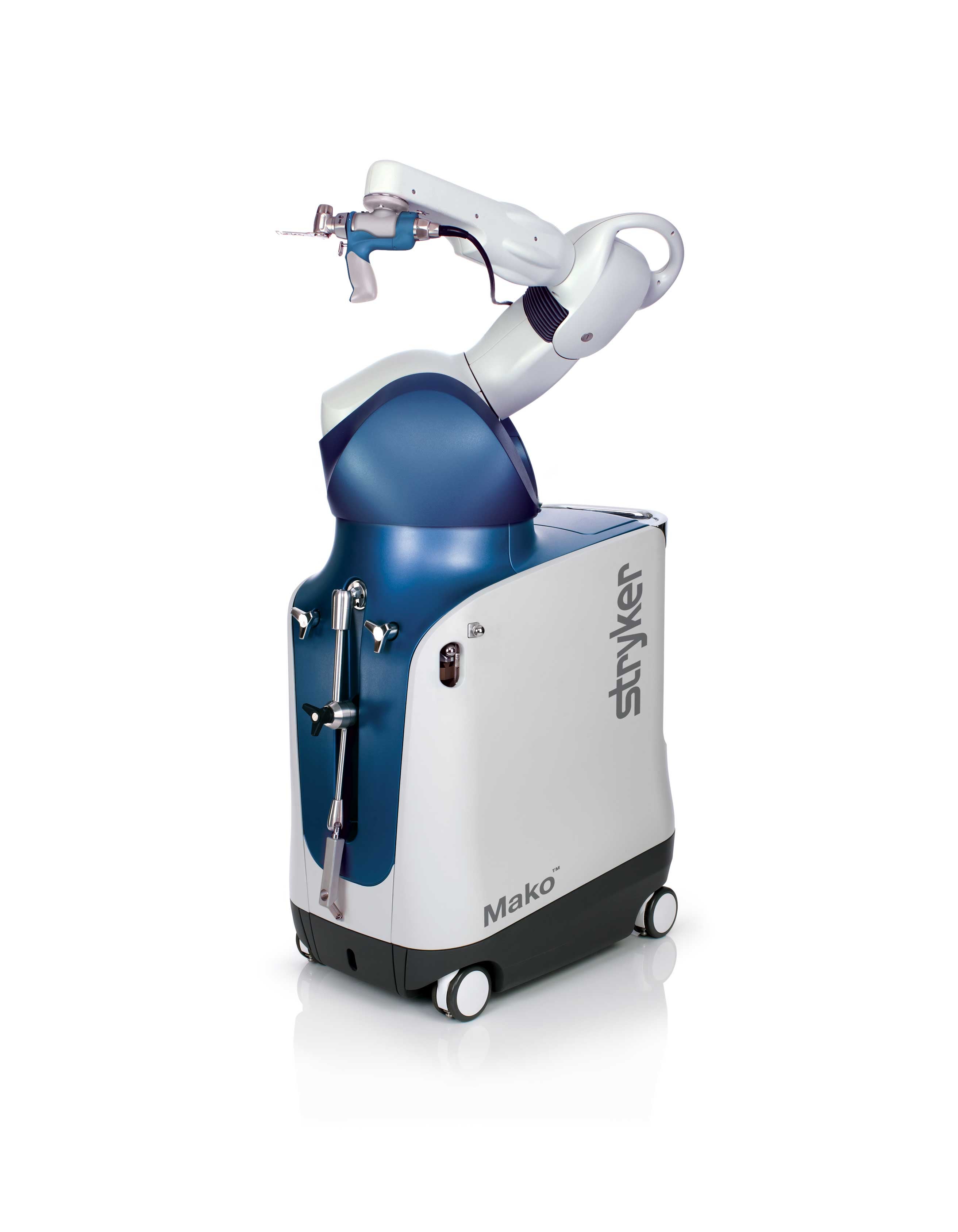
Robotic-assisted technology brings precision and personalization to joint replacement surgery. Using advanced 3D imaging, this technology allows surgeons to create a customized surgical plan tailored to your unique anatomy. During the procedure, the robotic arm assists the surgeon, ensuring the precise removal of damaged tissue and accurate placement of the implant.
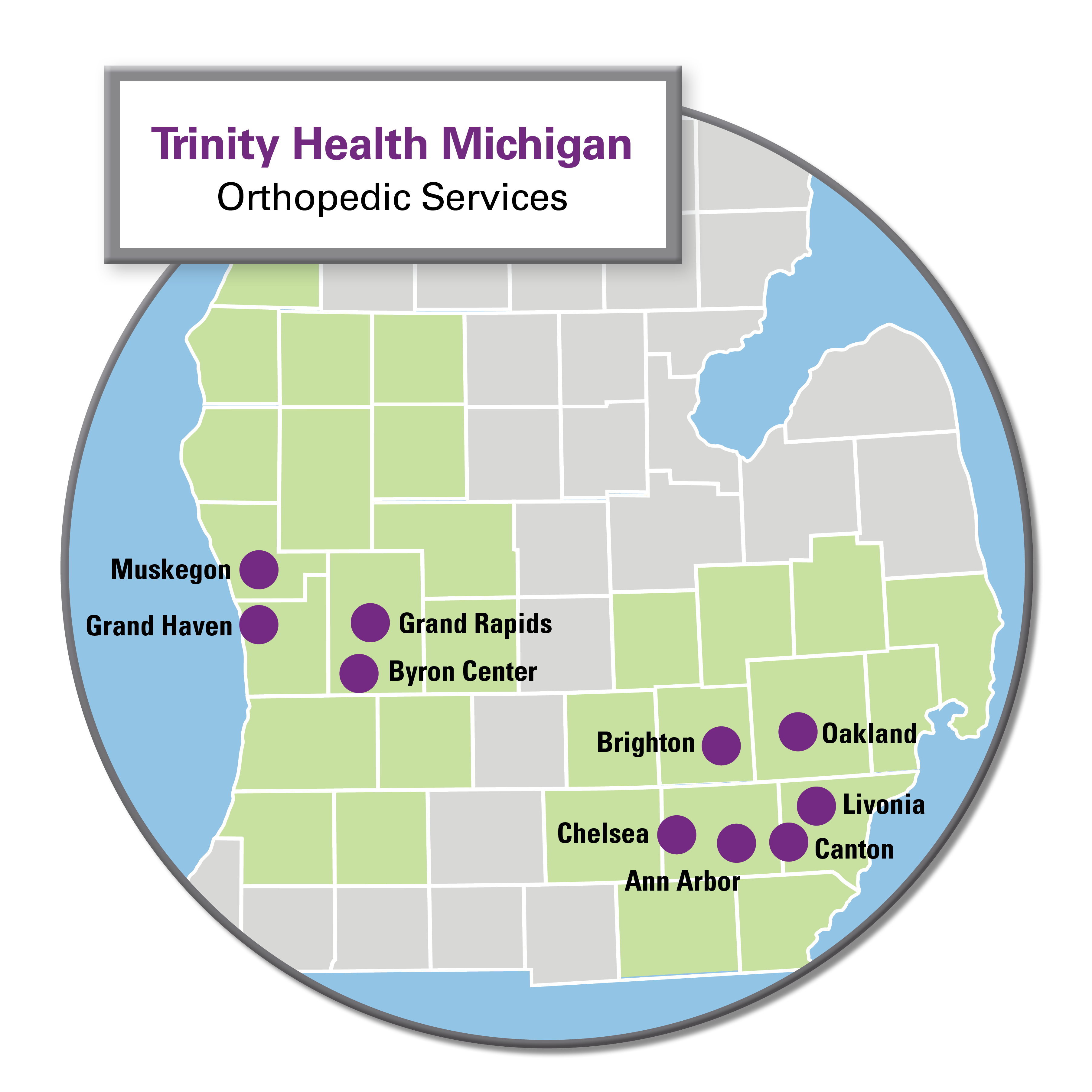
Whether for hip, knee or partial knee replacements, this technology offers a cutting-edge solution to help patients regain mobility and get back to the activities they love. Trinity Health Michigan offers robotic-assisted technology in Ann Arbor, Grand Haven, Grand Rapids and Muskegon.
Commonly Asked Questions
You should consider a joint replacement consultation when joint pain lasts more than a few weeks, limits your daily activities, or no longer improves with conservative treatments like rest, medication, or physical therapy. Persistent pain, swelling, stiffness, or reduced mobility—especially from arthritis or joint damage—are key signs that it’s time to see an orthopedic specialist.
Not always. While joint replacement can be the right solution for severe arthritis, many patients benefit first from non‑surgical care such as physical therapy, medications, injections, and bracing. Your orthopedic provider will help create a personalized treatment plan based on your symptoms, goals and imaging results.
Post‑surgical discomfort varies, but modern multi‑modal pain management—combining nerve blocks, medications, and cooling devices—helps significantly reduce pain and improve recovery. Discuss your concerns with your provider so they can tailor a pain‑control plan for you.
Most modern hip and knee replacements last 15–25 years, with many functioning well even longer thanks to improved materials and surgical precision. Longevity depends on factors like age, activity level, implant type, body weight and overall health.
Traditional joint replacement is performed using guides that reference a patient’s own anatomy, x-rays, and the surgeon’s expertise.
Some robotic assisted joint replacement surgery uses a 3 D CT based model, and all use a robotic system that helps guide the surgeon’s movements, although the surgeon remains fully in control.
Both approaches follow the same principles, achieve similar outcomes, and are performed by trained orthopedic surgeons.
Yes. Second opinions are common in orthopedic care and can help confirm a diagnosis, compare treatment options, or provide clarity before joint replacement surgery. Many patients receive additional insights when consulting a second specialist.
After you complete the form, our care team will reach out within two business days. We can schedule same‑day or next‑day visits for urgent needs and within seven days for non-urgent needs.
Our Locations
With more than 100 orthopedic specialists across Michigan, Trinity Health makes expert joint replacement care easy to access — so you can get back to moving comfortably, with care that fits your life.
test