

Where Does Your Back Hurt?
At Trinity Health Michigan, we understand that back pain does not define you, but it can affect everything you do. Whether your discomfort is in the lower, mid, or upper back, our spine specialists are here to help. With expert care tailored to your needs, we will guide you toward relief so you can move forward with ease.
Explore the areas of back pain you may be experiencing and click on each tab to learn more about common causes, conditions, and the personalized treatments we offer.
When to Seek Care for Back Pain
Pain is often your body’s way of asking for help. Consider seeing a spine specialist if you have:
- Persistent pain in your lower, mid, or upper back that does not improve with rest.
- Stiffness, limited movement, or symptoms that worsen with bending, lifting, or twisting.
- Numbness, tingling, burning, or weakness in your back, arms, or legs.
- Changes in posture or visible curvature.
- Difficulty standing, walking, or staying active.
- Sudden back pain after a fall, accident, or injury.
- Any symptoms that interfere with daily activities or sleep.
Curious if you’re ready to request an appointment? Discover whether treatment is right for you and learn about our approach to back pain relief.

Non-Surgical Treatment Options
Our Physical Medicine and Rehabilitation (PM&R) specialists focus on restoring movement, reducing pain, and helping you stay active through safe, proven treatments. Your care plan may include stretching and strengthening exercises, medications, posture training and targeted injections to calm inflammation or ease nerve irritation. We also offer bracing, ergonomic guidance and lifestyle support to help prevent symptoms from returning.
Surgical Treatment Options
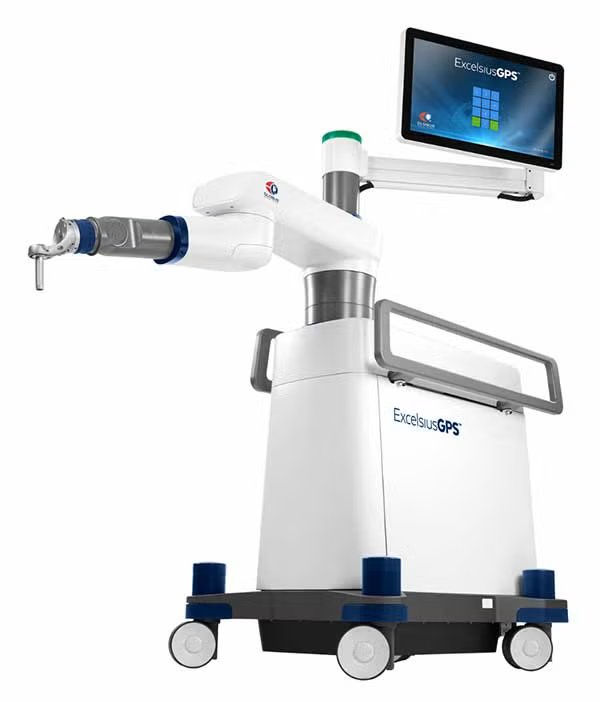
Sometimes back pain continues even after physical therapy, injections, or other non surgical treatments. When that happens, surgery may be an option. Our spine specialists use modern, minimally invasive techniques, often supported by the ExcelsiusGPS® robotic navigation system or other navigational systems, which improves accuracy and helps limit disruption to surrounding tissue.
Depending on your condition, surgery may involve removing part of a damaged disc, creating more space for compressed nerves, correcting spinal alignment, or stabilizing areas weakened by arthritis, scoliosis, or fractures. Our goal is to make treatment as safe, effective, and comfortable as possible so you can return to the activities you enjoy.
Our Trinity Health Michigan Spine Programs
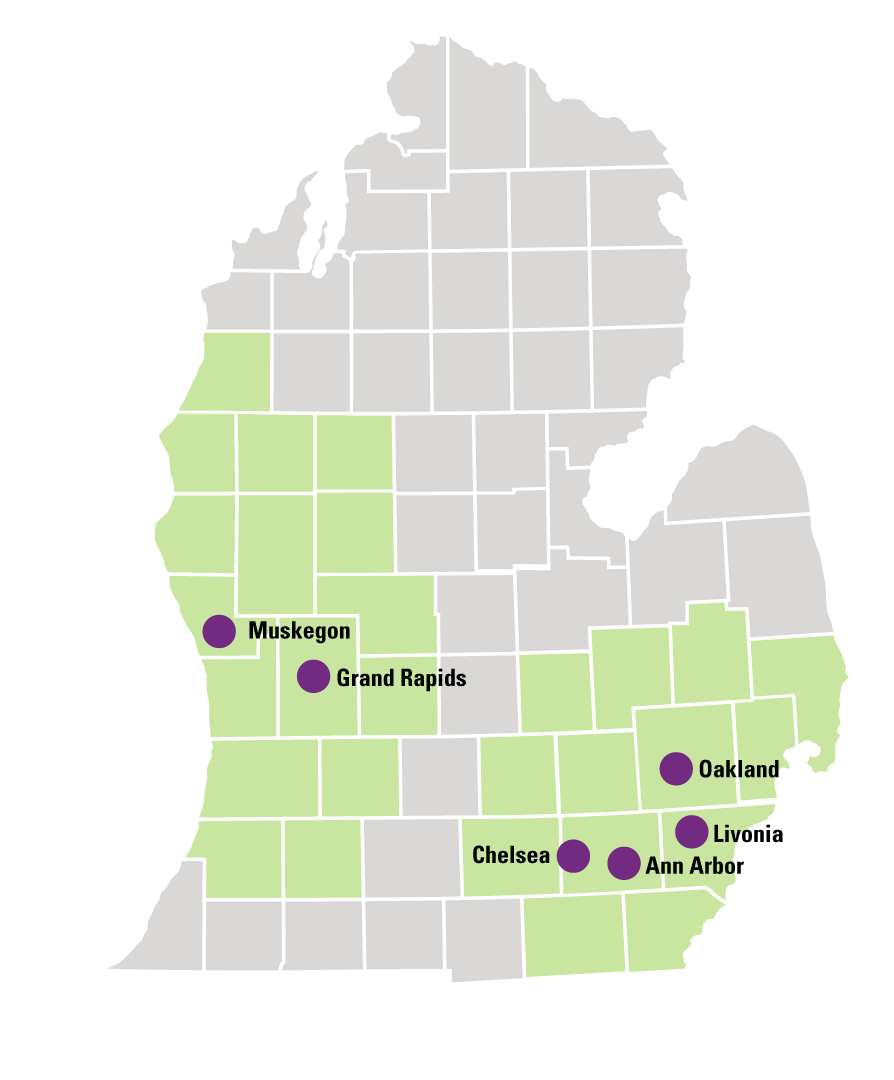
With multiple locations across the state of Michigan, Trinity Health makes expert spine care easy to access, so you can get the treatment you need, when and where it works best for you.
- Ann Arbor - 877-898-3516
- Chelsea - 877-898-3516
- Grand Rapids - 616-999-5166
- Muskegon - 231-428-9022
- Oakland - 947-257-5803
Frequently Asked Questions
Back pain can stem from muscle strain, arthritis, degenerative disc disease, herniated discs, pinched nerves, or posture related issues. Relief often starts with non-surgical care, including physical therapy, stretching and strengthening exercises, heat or ice therapy, posture and ergonomic adjustments, over the counter or prescribed medications, and targeted injections to reduce inflammation. If pain persists or affects your daily activities, our spine specialists can recommend additional treatments, including minimally invasive surgical options when appropriate. Connect with a spine specialist today.
Spinal arthritis is commonly treated with conservative therapies such as physical therapy, low impact exercise, posture training, anti-inflammatory medications, or targeted injections. For more advanced arthritis that causes nerve compression or spinal instability, minimally invasive surgical procedures may be recommended to relieve pressure and improve long term comfort. Connect with a spine specialist today.
Back spasms may result from muscle strain, overuse, poor posture, sudden movements, or stress. They can also occur due to underlying conditions such as herniated discs, degenerative disc disease, arthritis, or pinched nerves. A specialist can help determine the root cause of the spasms and develop a personalized treatment plan. Connect with a spine specialist today.
You should seek care if your pain lasts longer than a few days, impacts daily activities or sleep, causes numbness, tingling, or weakness, follows an injury, worsens with certain movements, or affects your ability to stand, walk, or stay active. Persistent symptoms may indicate an underlying condition that can be effectively treated with early intervention. Connect with a spine specialist today.
Non-surgical treatment options may include physical therapy, stretching and strengthening programs, medications, targeted injections, bracing, posture and ergonomic guidance, and lifestyle support. Your care team will design a treatment plan focused on improving mobility, reducing inflammation, and preventing symptoms from returning. Connect with a spine specialist today.
Robotic assisted spine surgery uses advanced navigation technology, such as the ExcelsiusGPS system, to help surgeons plan and perform procedures with greater precision. The system provides real-time guidance for accurate placement of instruments and implants while limiting disruption to surrounding tissue. Benefits may include smaller incisions, less blood loss, shorter hospital stays, reduced pain during recovery, and improved surgical accuracy. Connect with a spine specialist today.
test